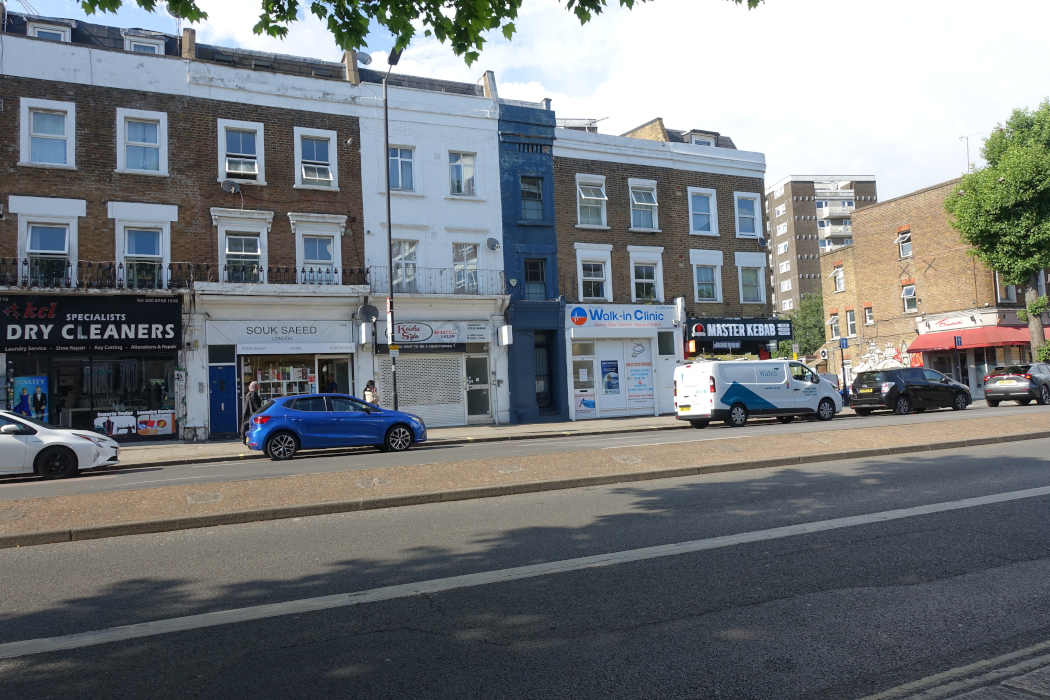
 Goldhawk Road

This blue building is London's narrowest multi-story residential building. There is a narrower building on the northern edge of Hyde Park, but it was built to fill a hole and has no residents.
Using Google Maps, you can see for yourself that this building is just as narrow at the back and does not widen towards the rear.
 Greenwich
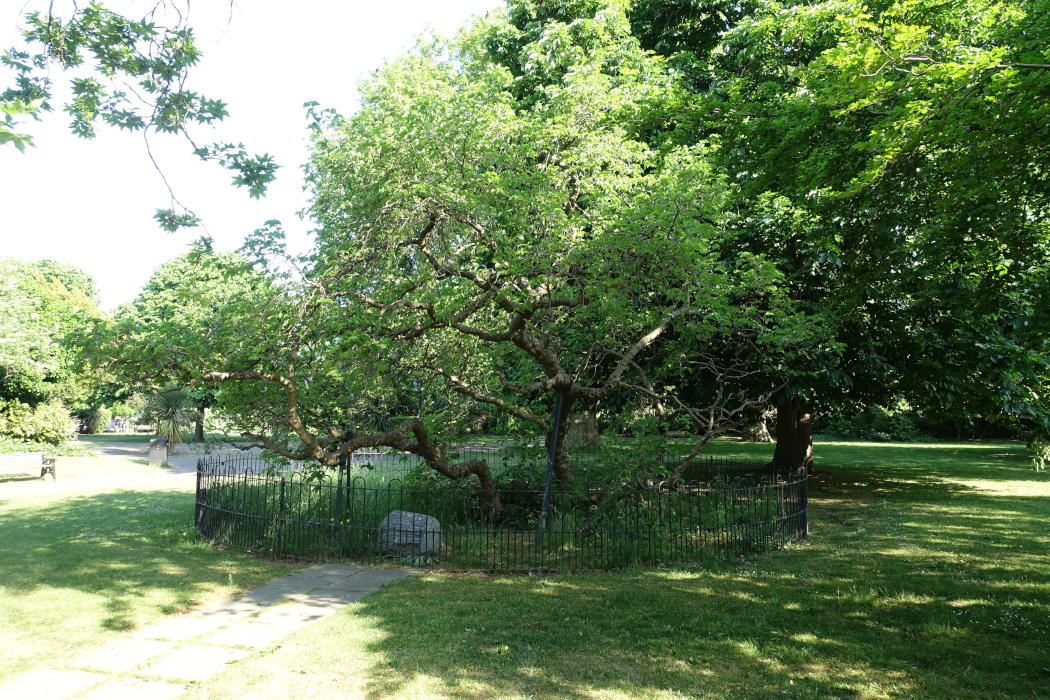
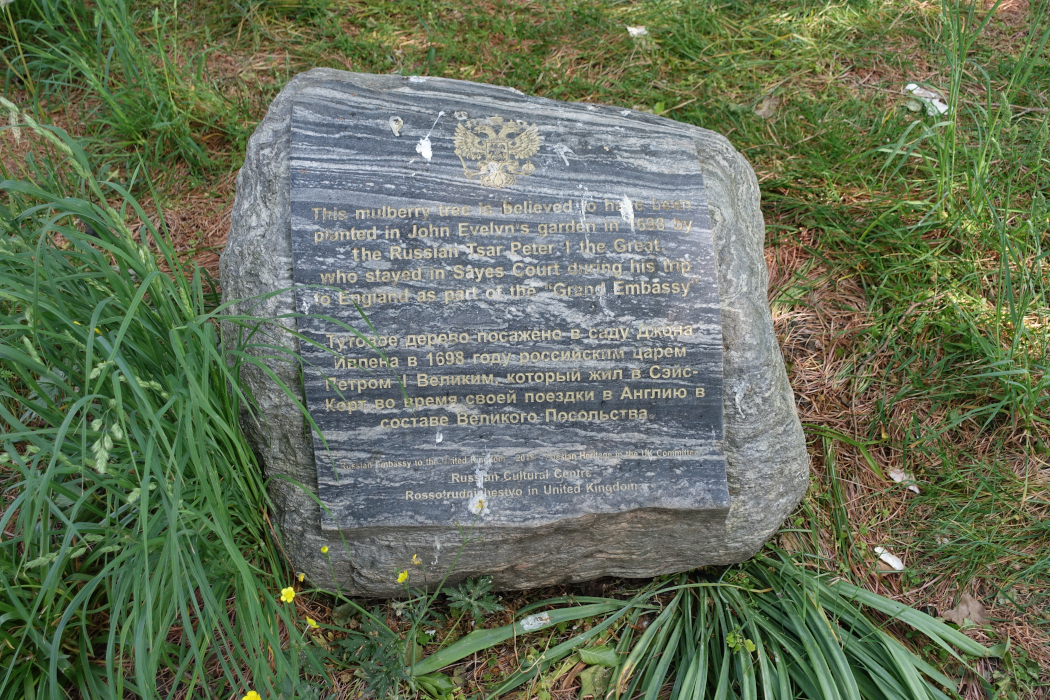
A tree planted by Russian Tsar Peter I during his diplomatic mission to England.
 Stratford
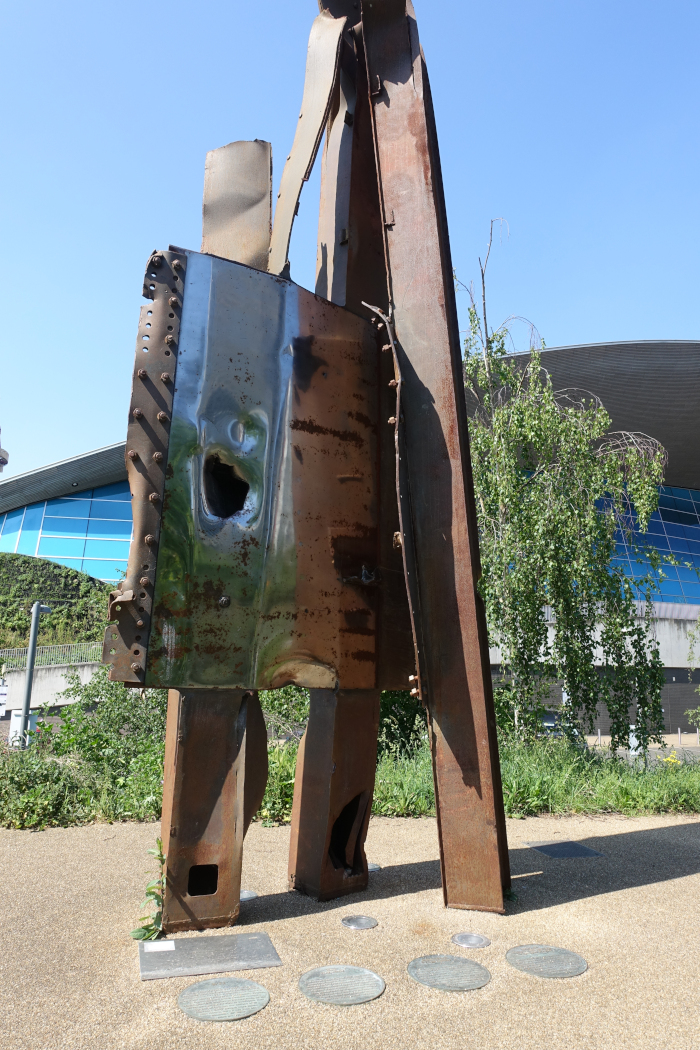
911 memorial in Olympic Park. Made, of course, from pieces of destroyed buildings. The memorial is located on a small hill, which can be reached by stairs. But care for everyone is evident – there is also separate access for wheelchair users at the rear.
 Farrington
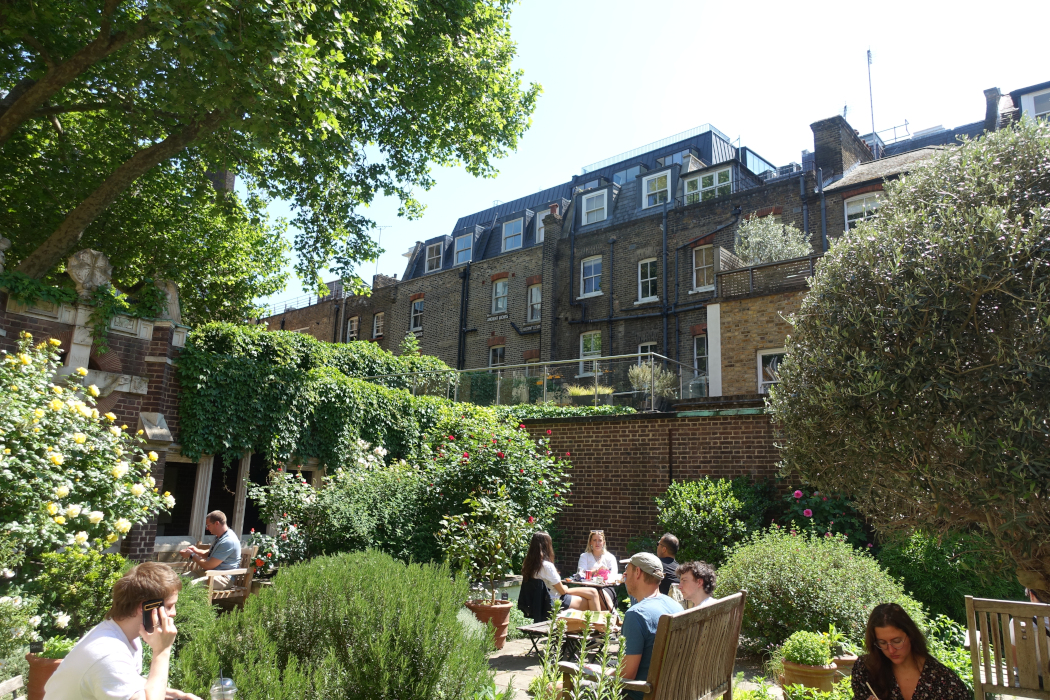
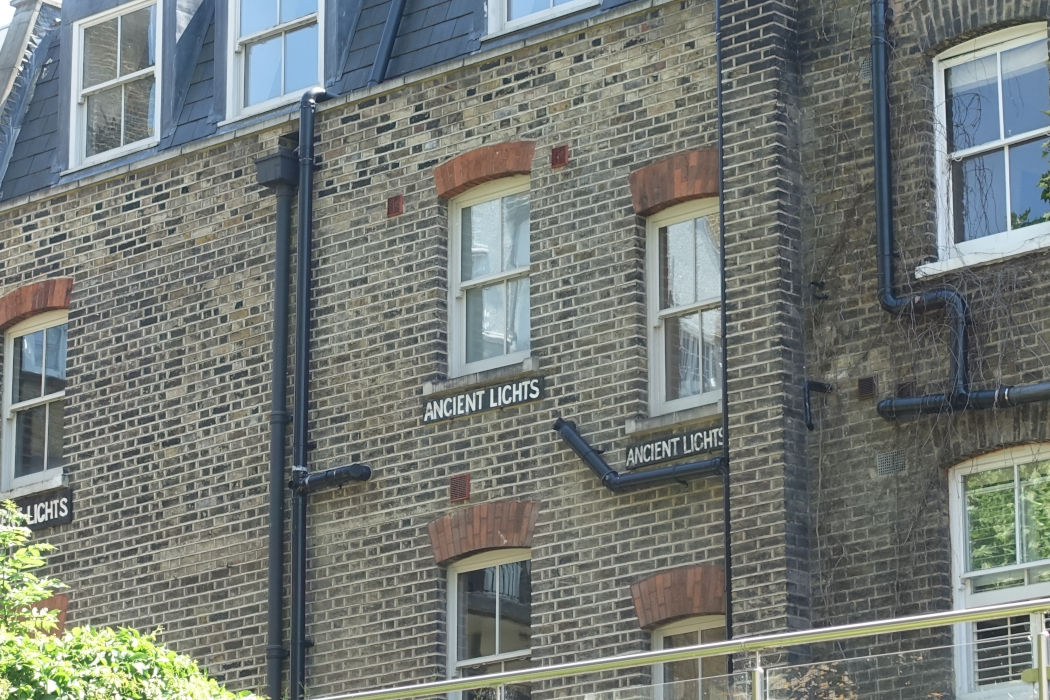
In England, a law passed in 1832 stipulates that if sunlight has shone into the windows of an apartment for 20 years, nothing may be built in front of it that would block the light. There are signs on the windows to this effect. There are several such signs in various places; this view is from a café in the churchyard.
 Piccadilly Circus
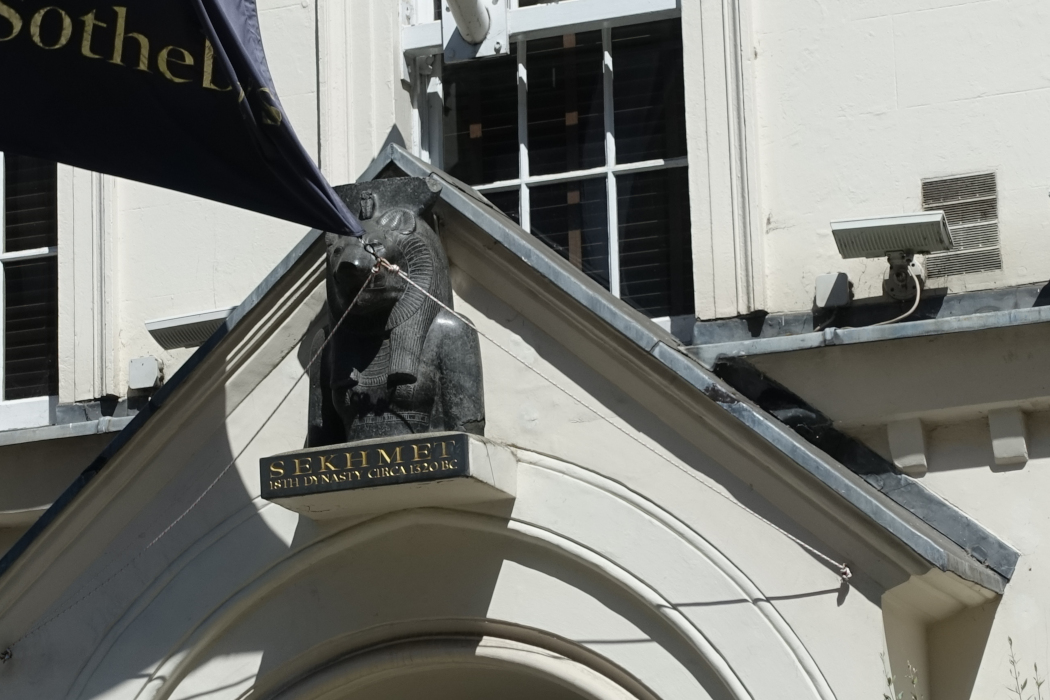
 One of the oldest statues on a building facade in London.
I took a photo on the spot and started studying it more closely at home. The company whose facade the statue is located on is not a "brothel," as it appears in the photo, but "Sotheby's." 
 Old Street
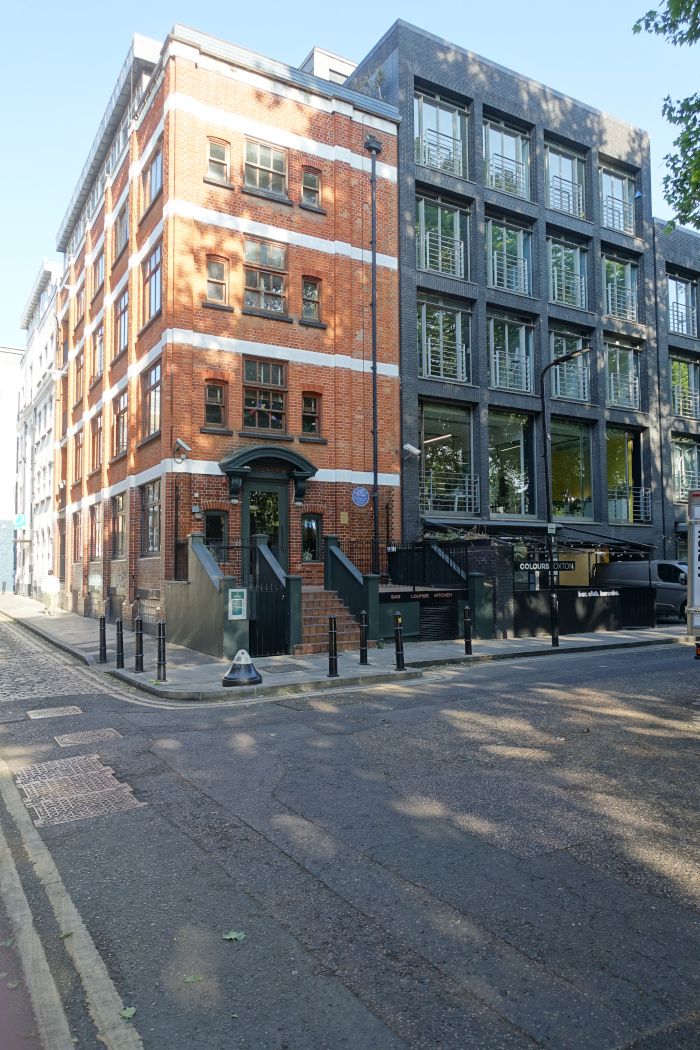
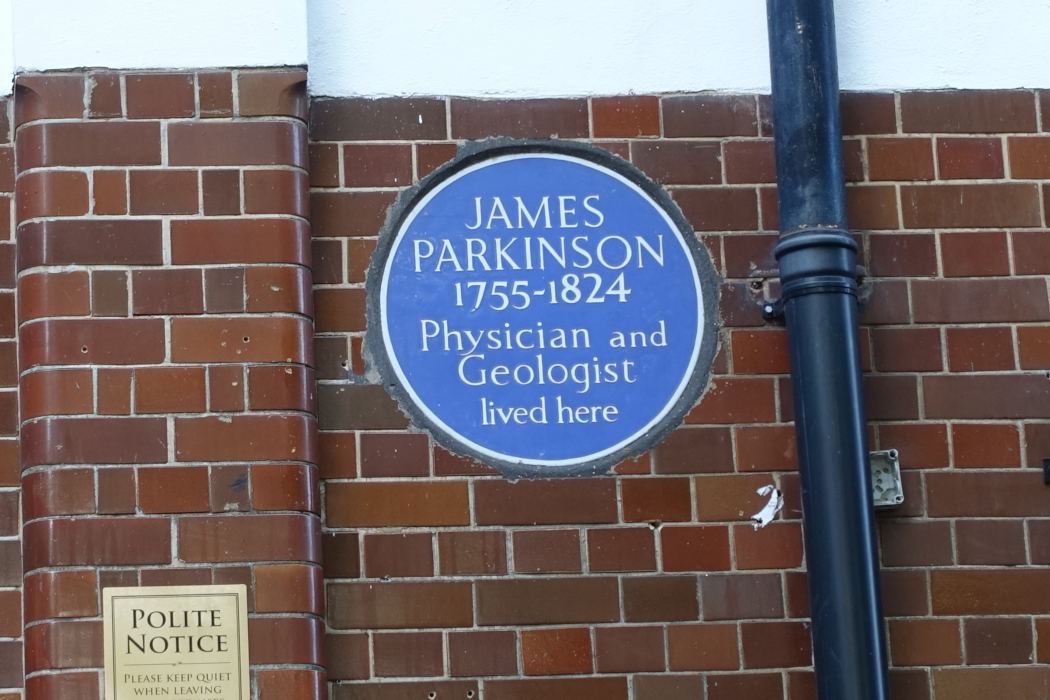
 This is where the man who first described the disease that bears his name lived.
 St Paul's
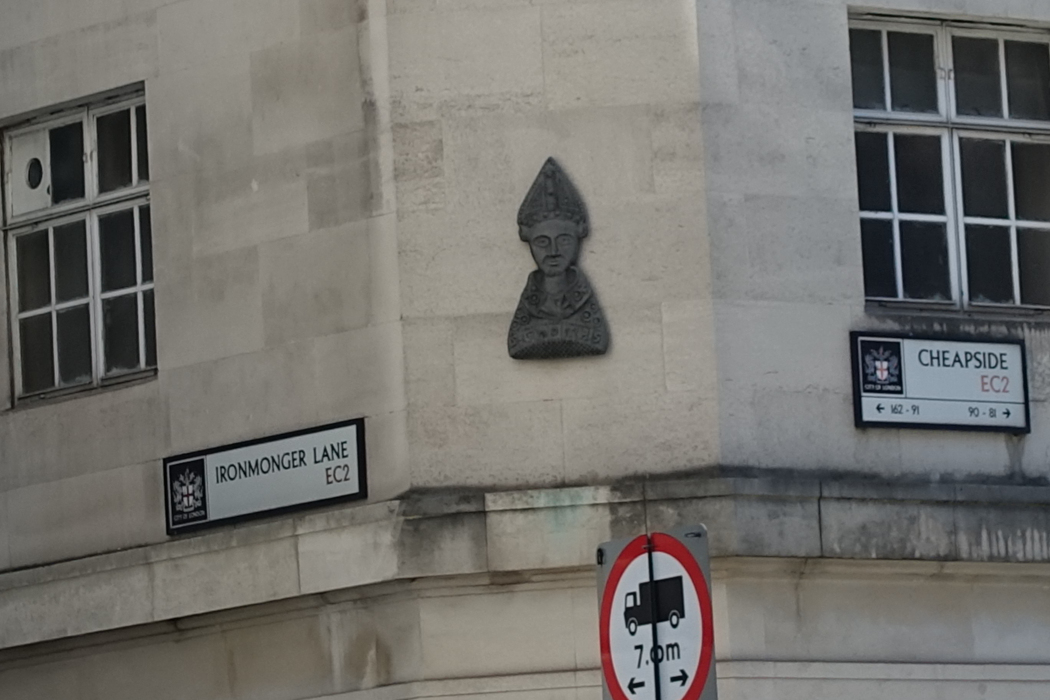
 Thomas Becket, Bishop of Canterbury, was born nearby. The bishop came into conflict with King Henry II over church rights. Four of the king's close associates murdered him in Canterbury Cathedral. The king pretended he had nothing to do with it – the boys got a little carried away, let's forgive them. Becket was soon declared a saint.
 Liverpool Street
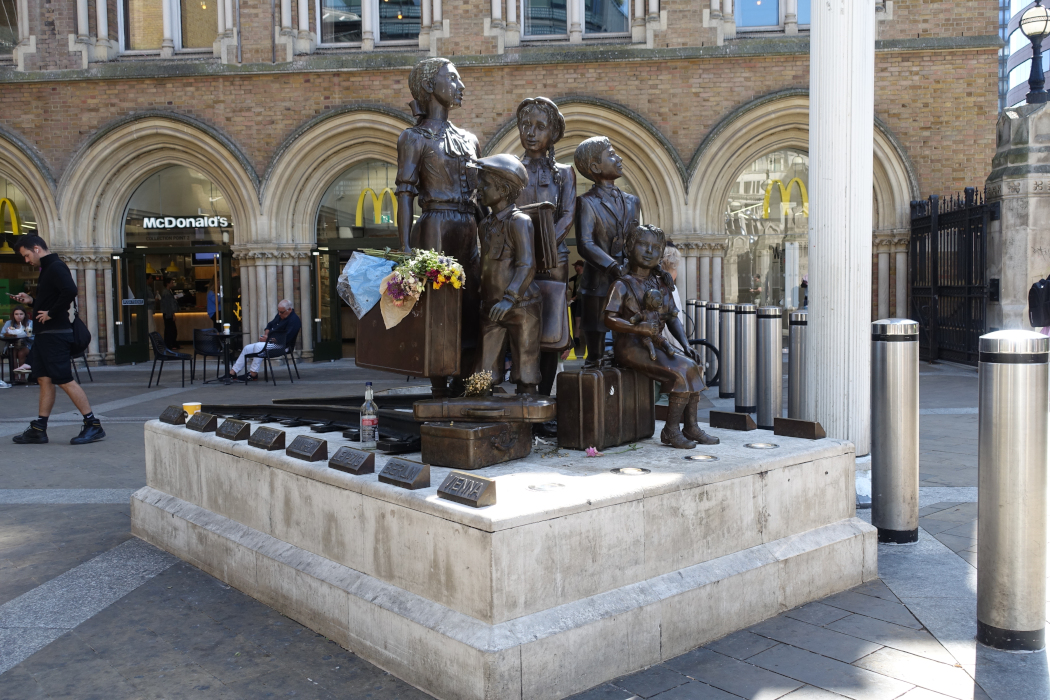
 Next to Liverpool Road station. Children of the Kindertransport.
This was a rescue program between November 1938 and September 1939, in which approximately 10,000 children, mostly of Jewish descent, were evacuated from Germany to Austria, Czechoslovakia, and Great Britain..
 Marble Arch
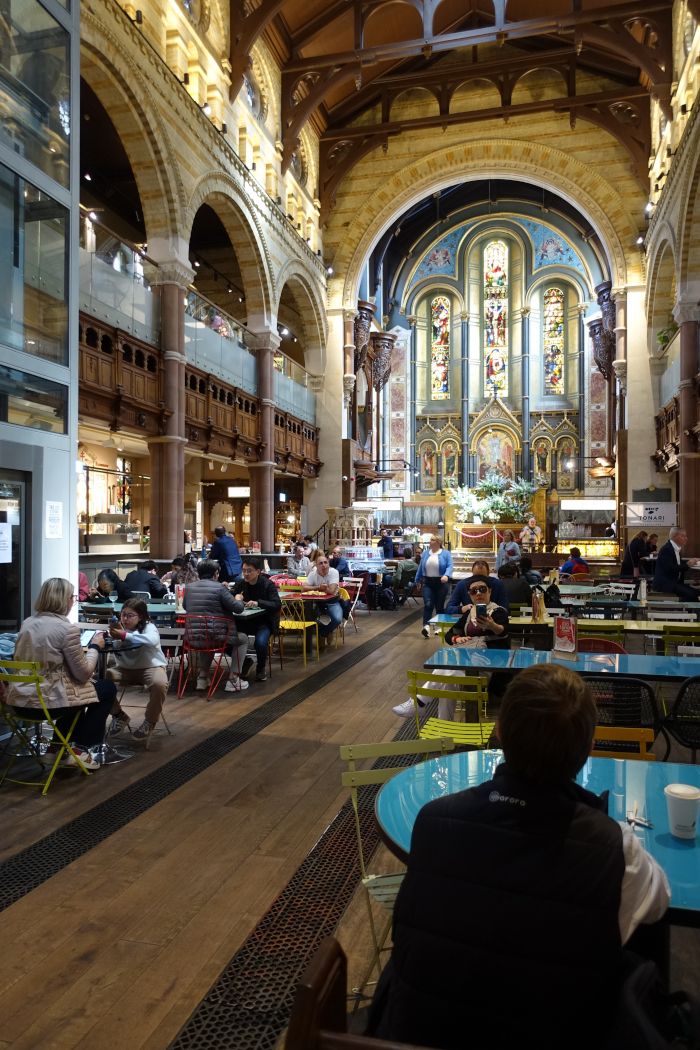
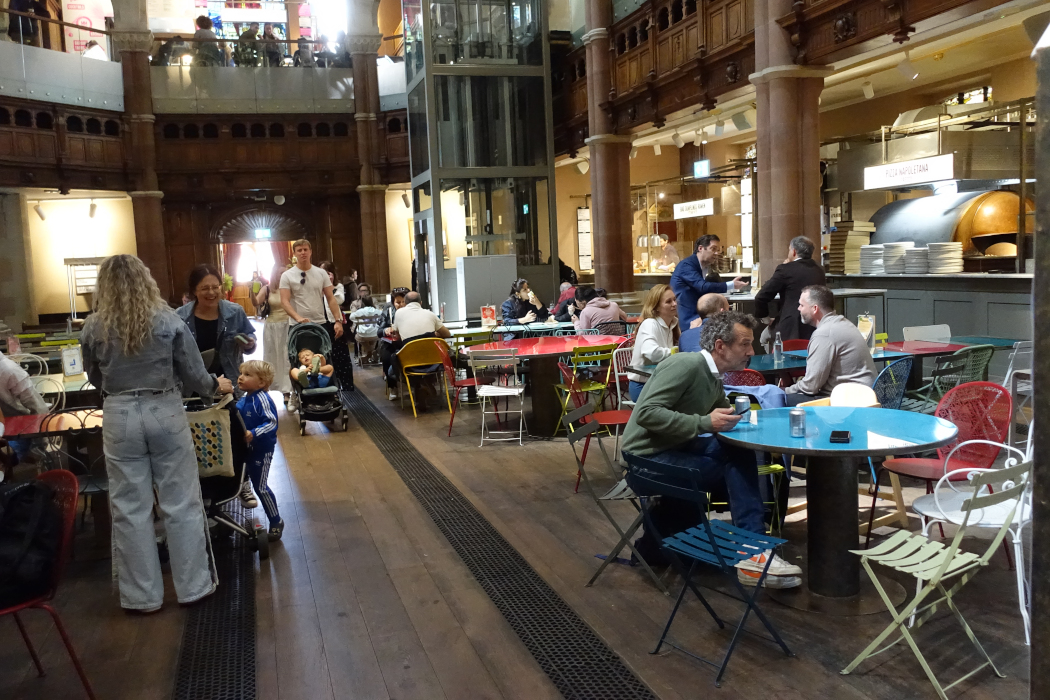
 It used to be a church (St Mark's Church), but now it has been converted into a restaurant.
 Lambeth North
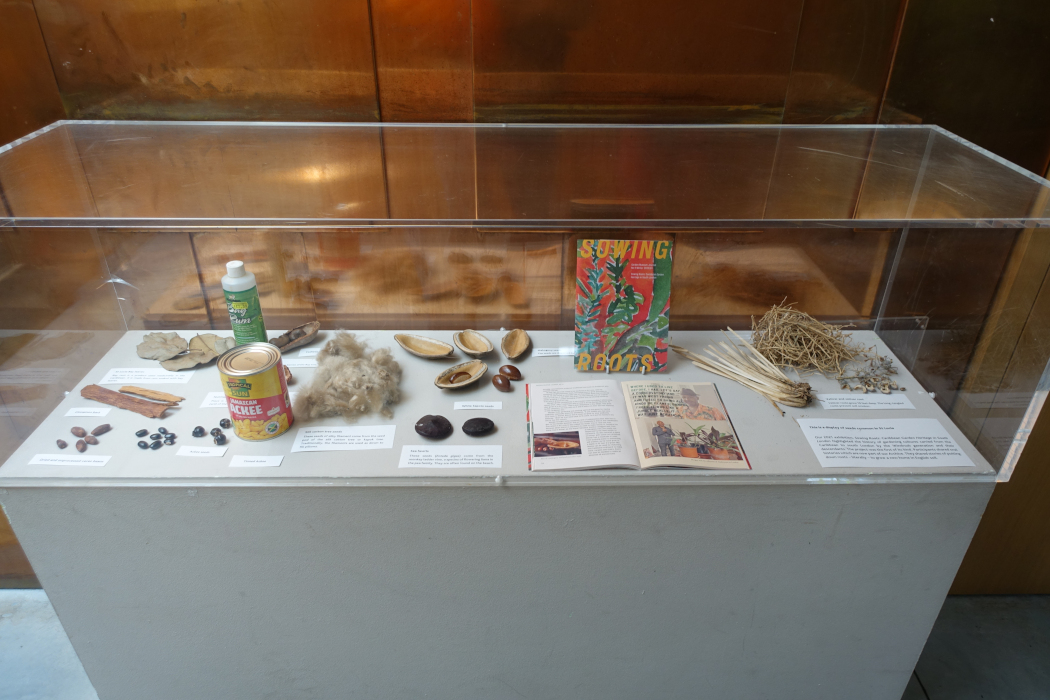
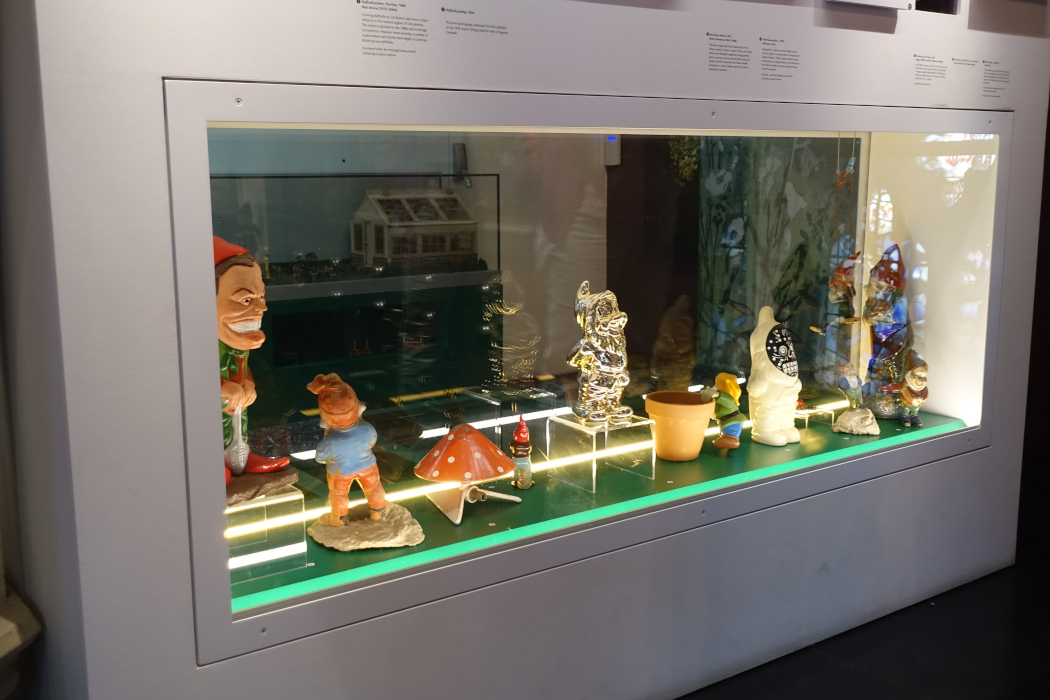
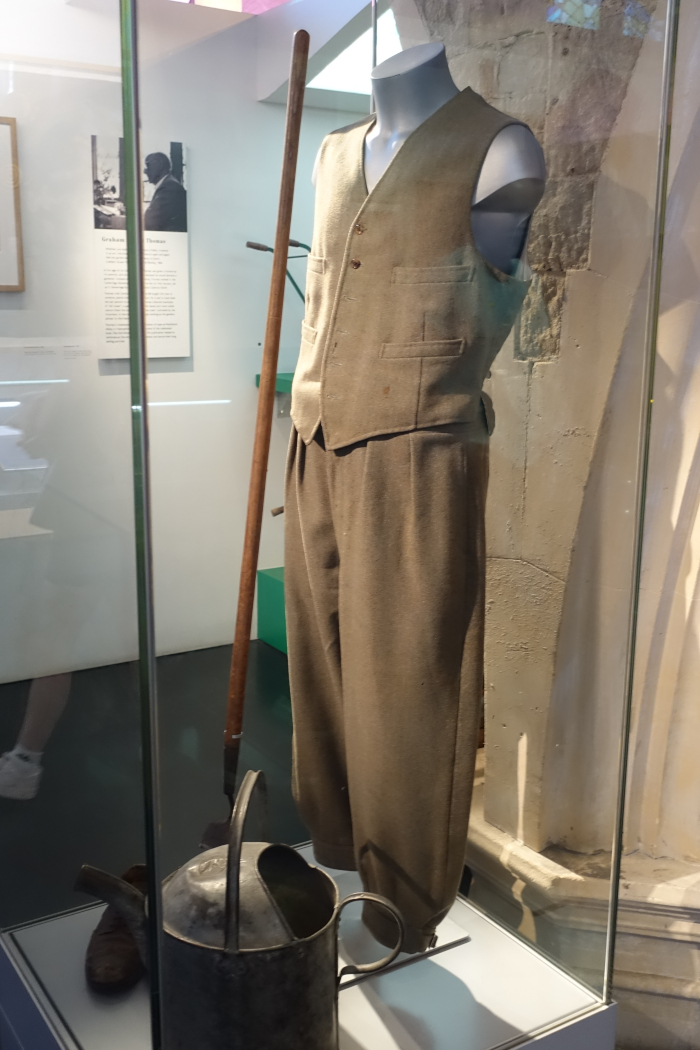
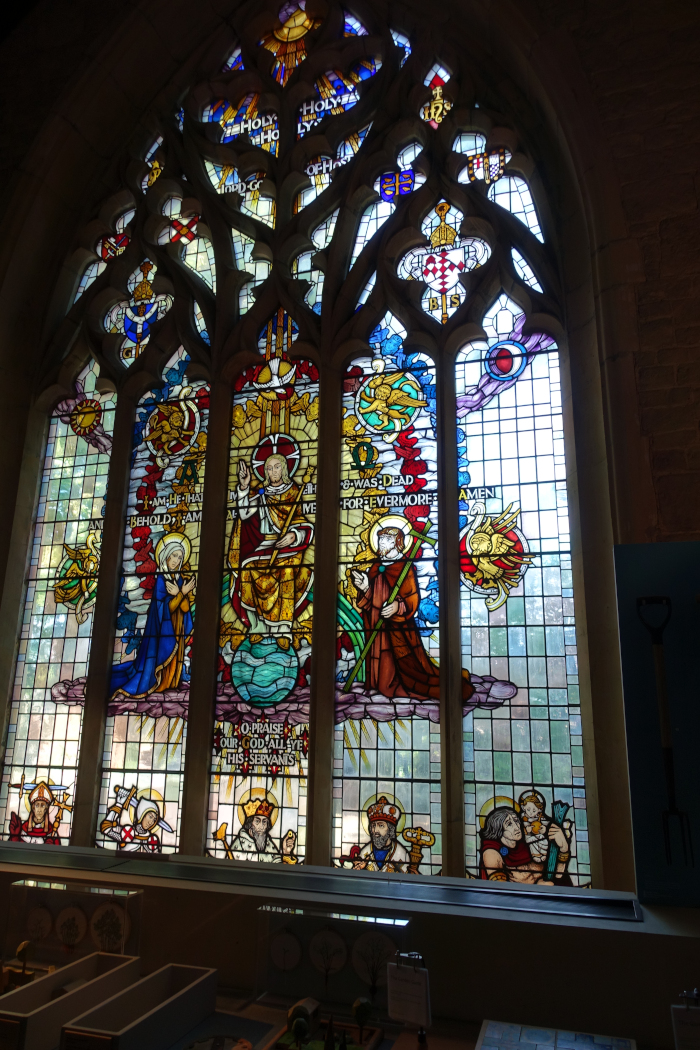
 The gardening museum is also located in a former church. It's nothing special, but since it's free, you might want to stop by.
 Archway
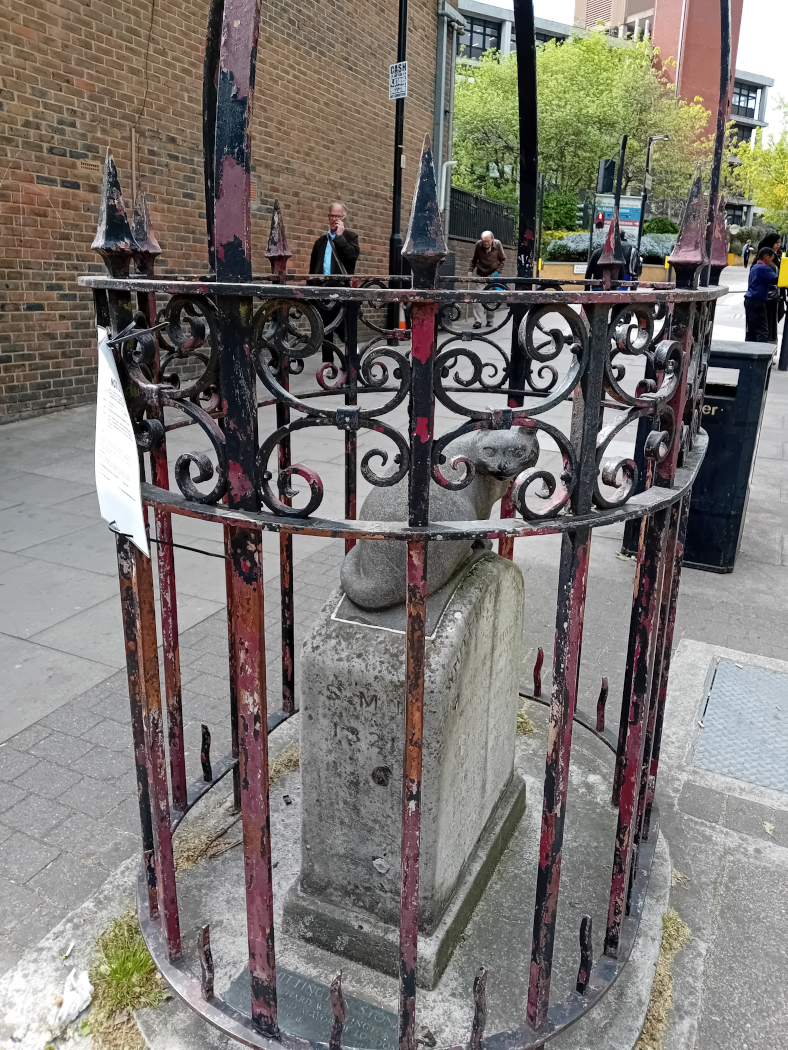
 A statue of a cat. It was behind such a dense fence that it was difficult to see. But there was a sign saying that it was going to be restored.
Richard Whittington (1354–1423) was a wealthy man and later mayor of London. Legend has it that he got the initial capital for his fortune from selling his cat. We may not believe it, but it's an interesting legend nonetheless.
 Sloane Square
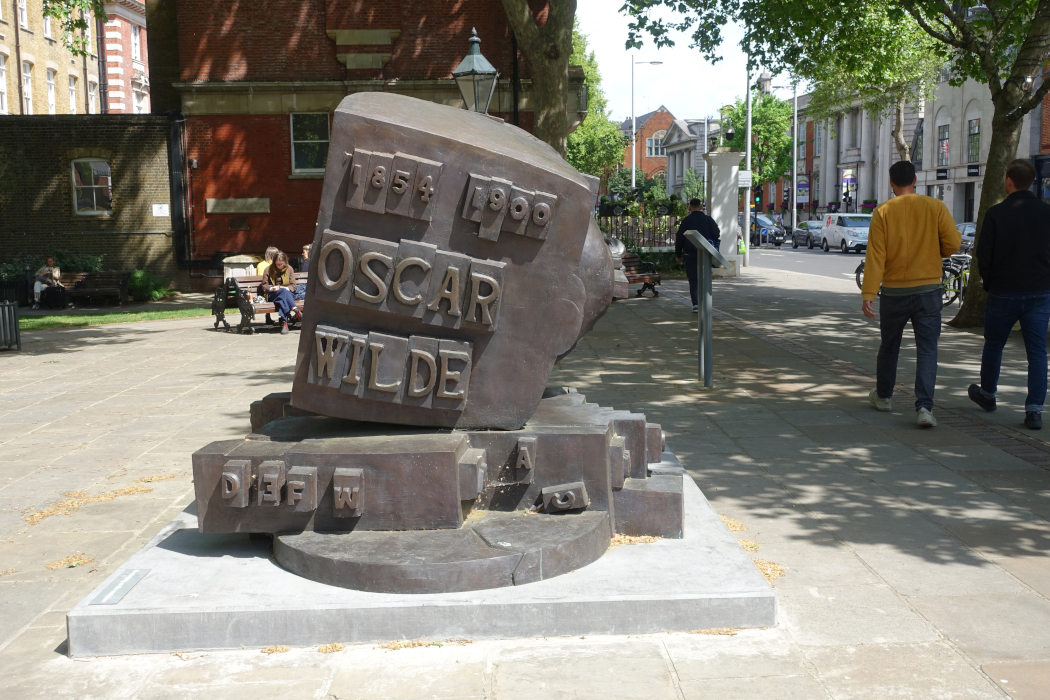
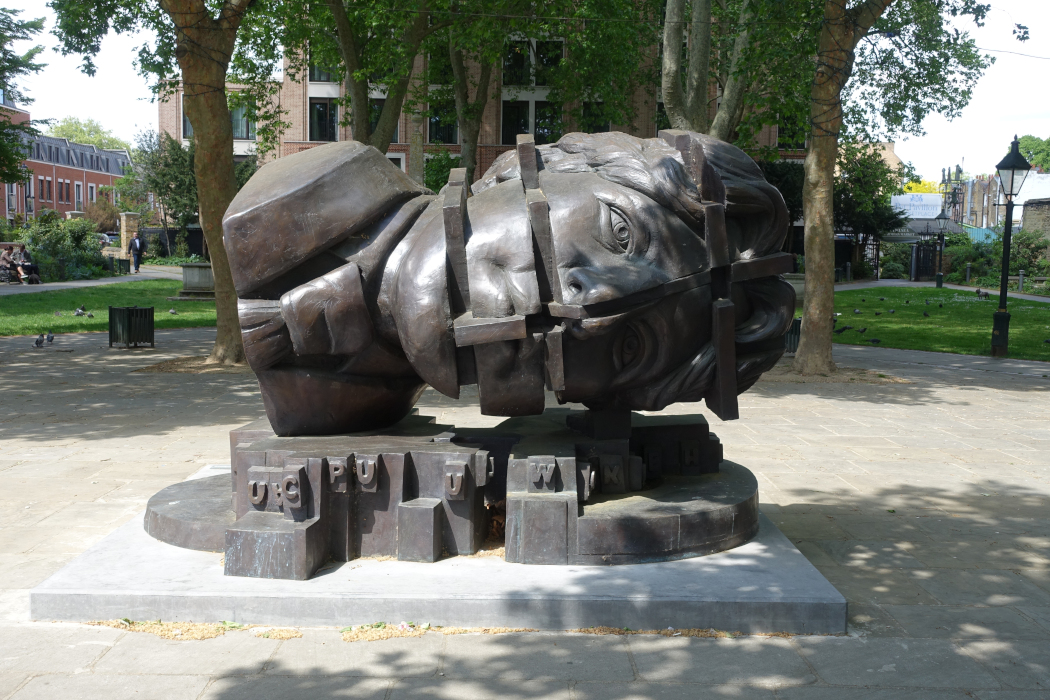
 Point 213 already describes one memorial to the writer Oscar Wilde. But there is another one. About a kilometer southwest along King's Road, next to house number 250. A very strange object. The statue is probably located here because the writer lived only half a kilometer away and was taken to prison from that very house.
 Hampstead
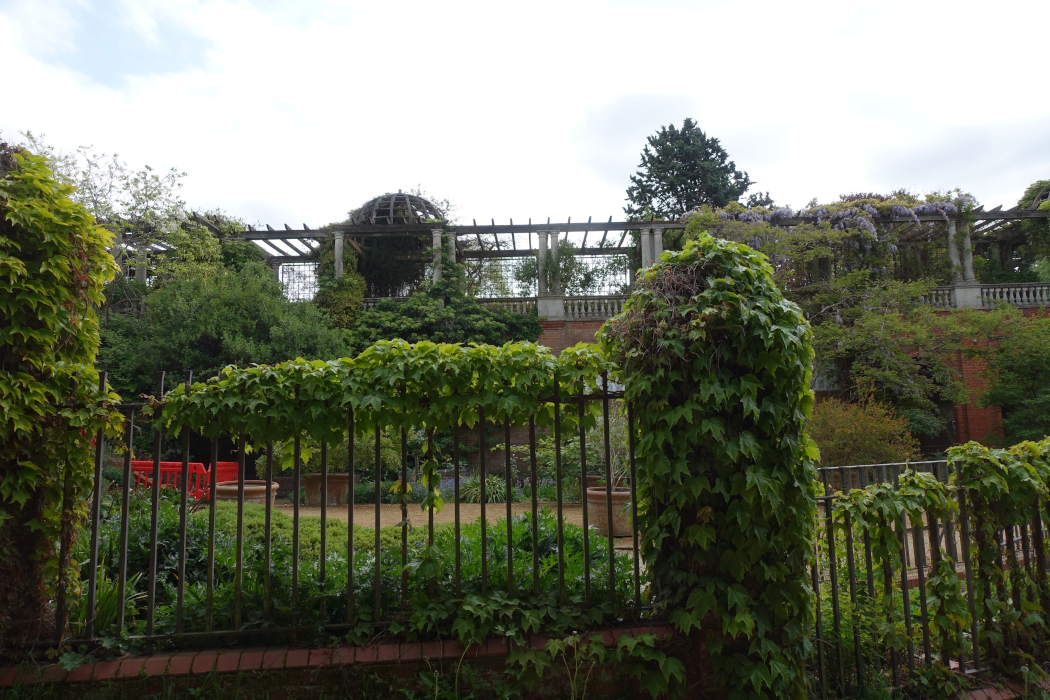
 Hundreds of meters of walkways built at the beginning of the 20th century. There seems to be no other reason for them than that they are simply beautiful... You can see that some repairs are being done, but it leaves a relatively shabby impression. But once upon a time, ladies in wide snow-white dresses walked here...
 London Bridge
 A strange object called Cornerstone. Some kind of primitive handicraft, perhaps?
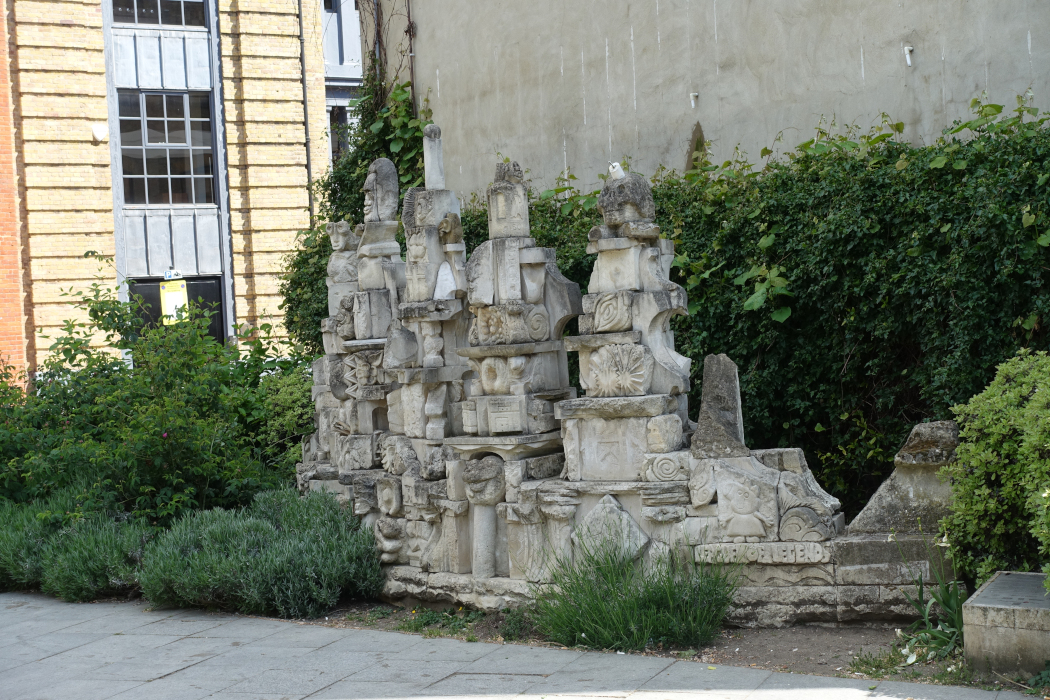
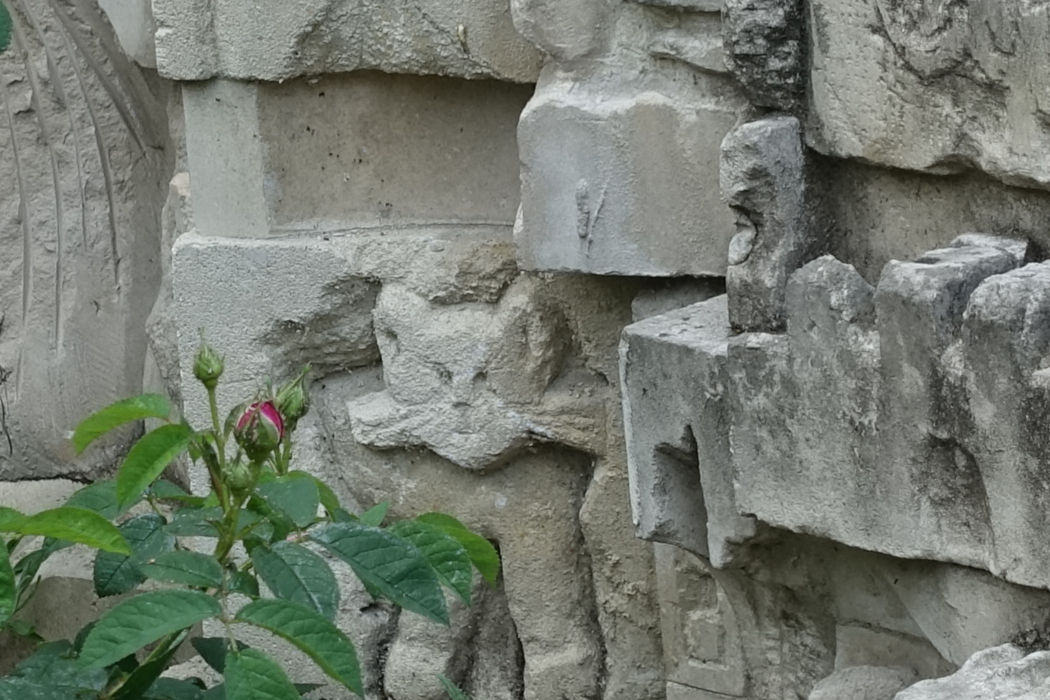
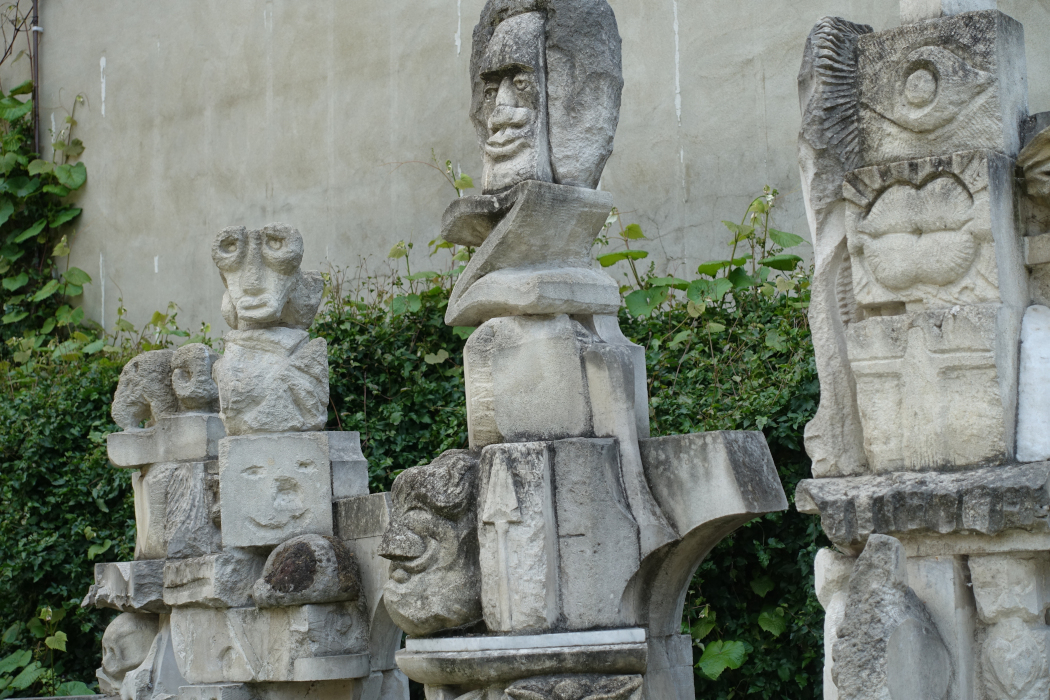 St Paul's
 The bell that was rung in the morning to inform the condemned that their last day had arrived. Unfortunately, this is a copy, not the original. It is located in the Church of the Holy Sepulchre.
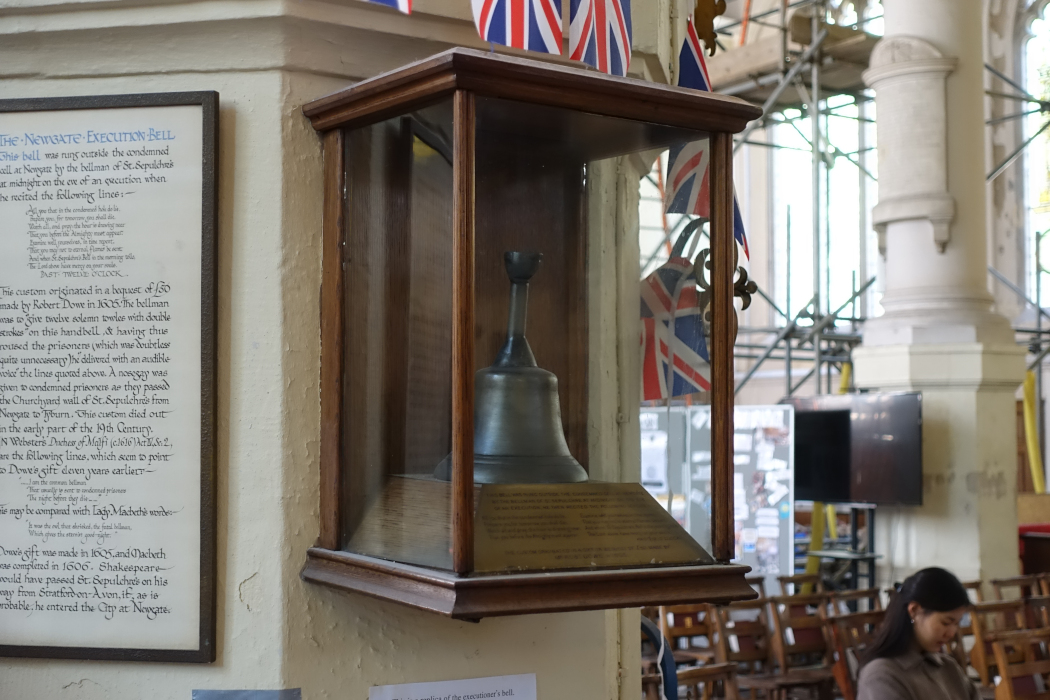 Temple
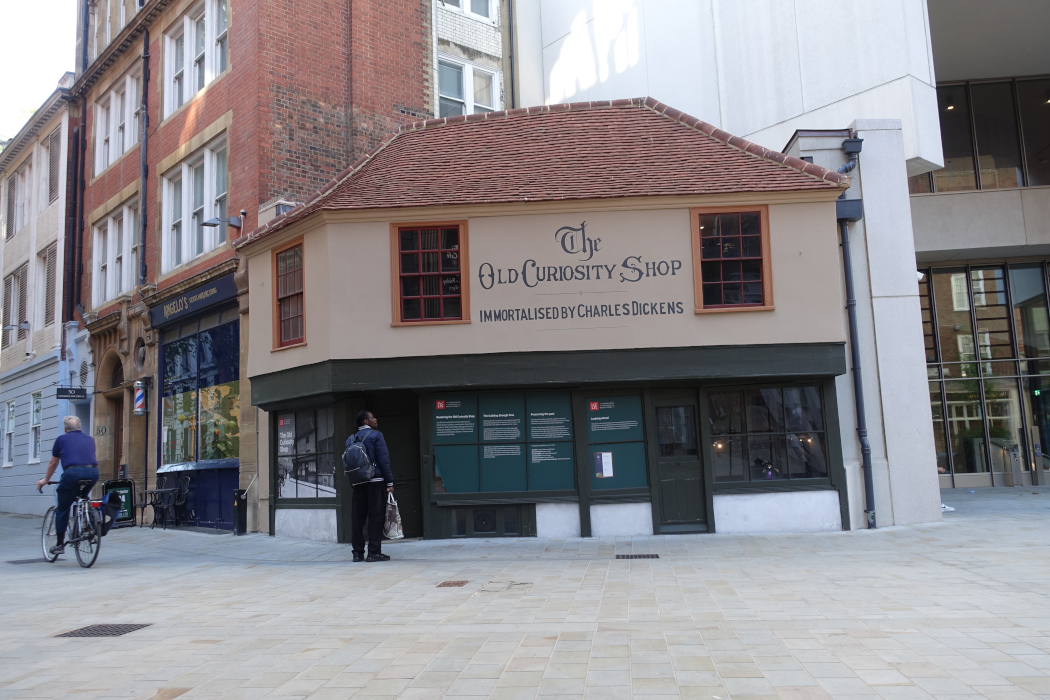
 The shop Charles Dickens wrote about. Dating back to 1567. Good advertising, of course. By the way, if you look closely, there is a trace of an earlier adjoining building on the wall of the house on the left. Does this hint at the relatively later construction date of this shop?
Upon closer inspection, it turns out that this shop was built in 1963. But of course, it's good for business when Dickens himself has advertised for you. And it's still worth taking a look at this little shop
 Gloucester Road
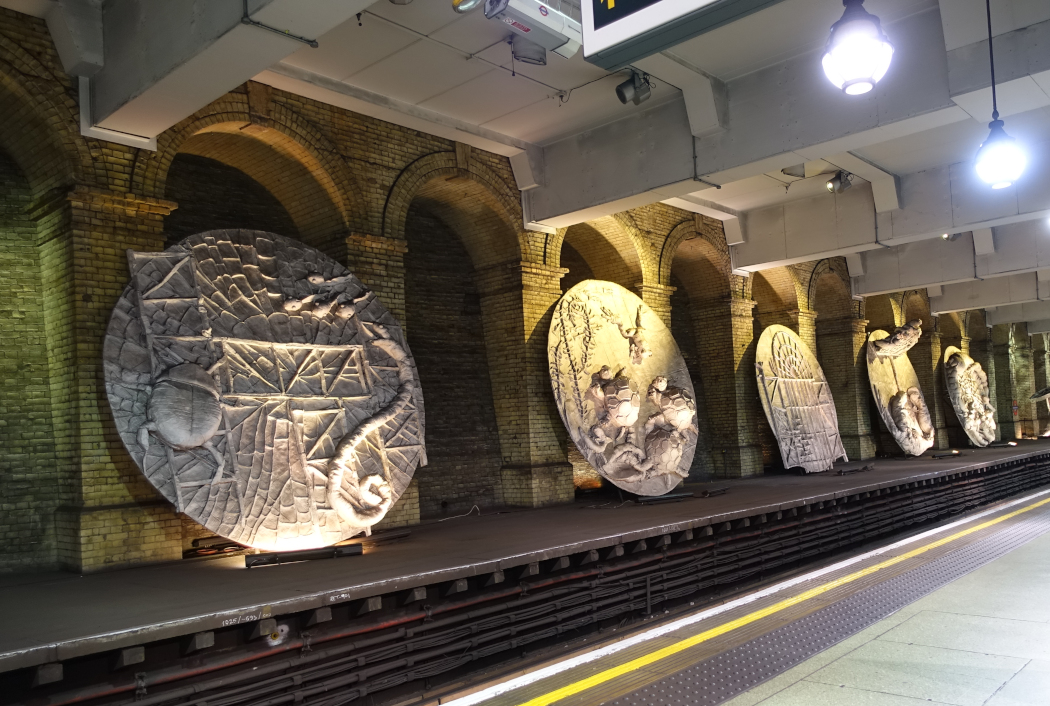
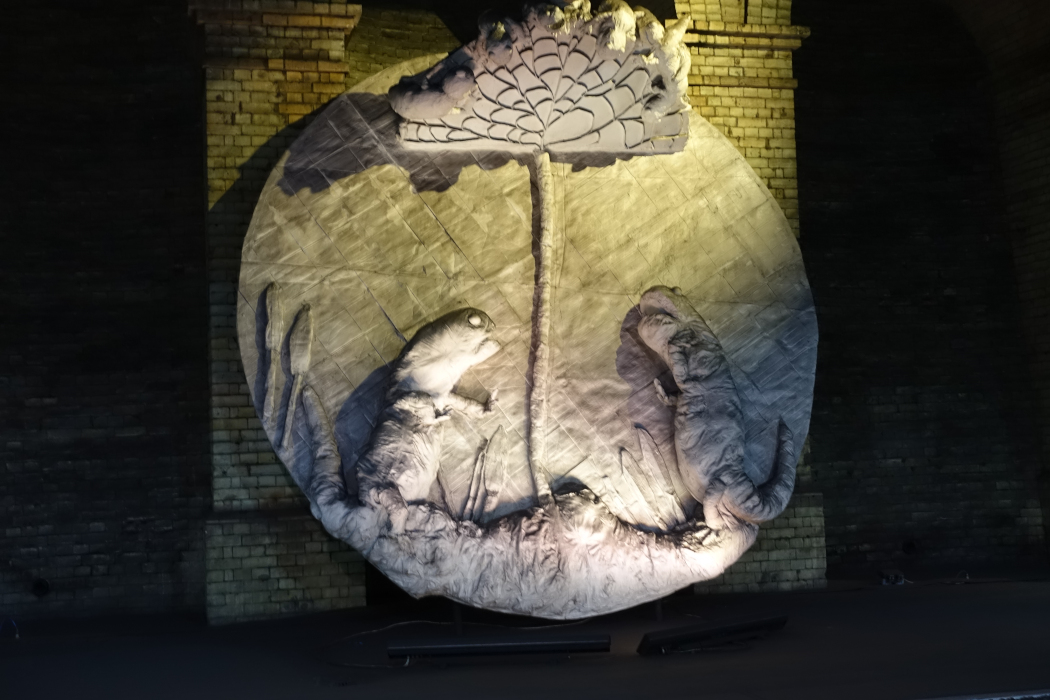
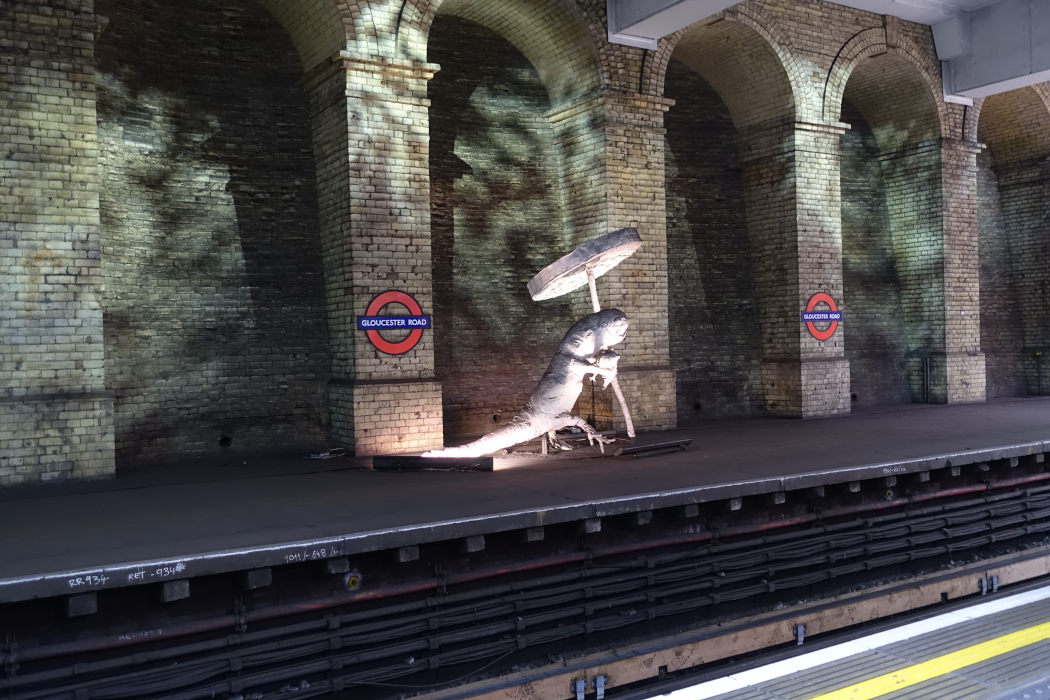
 One of the platforms at Gloucester Road station (pronounced: gloster!) is not used by trains and hosts art exhibitions. I can't guarantee that you'll see the same things there, but there's definitely something there.
 Farringdon
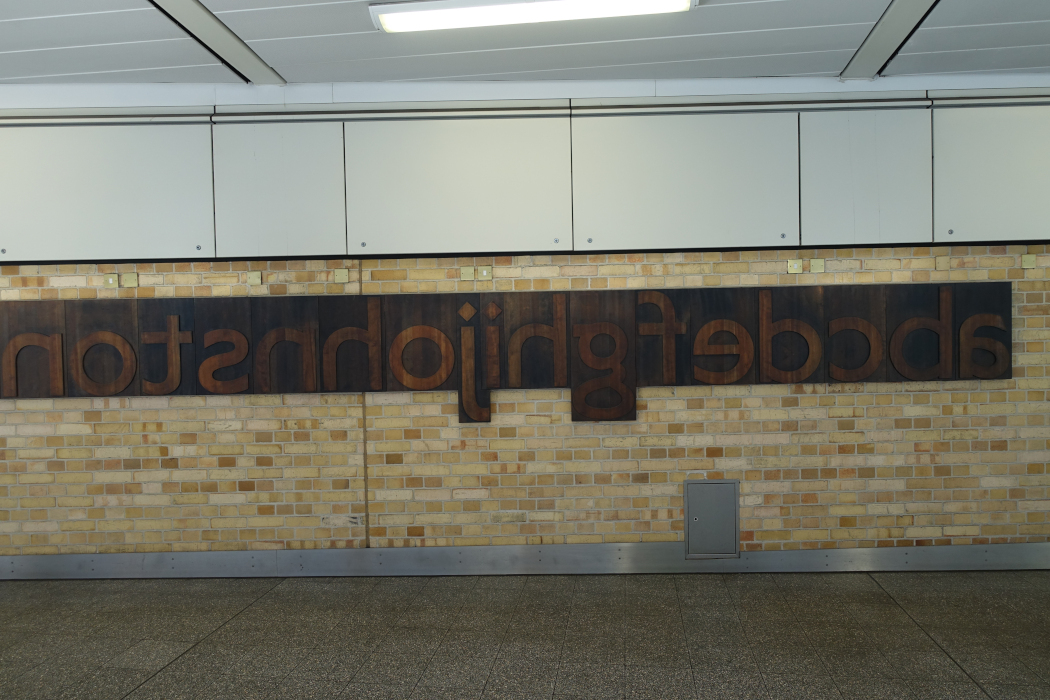
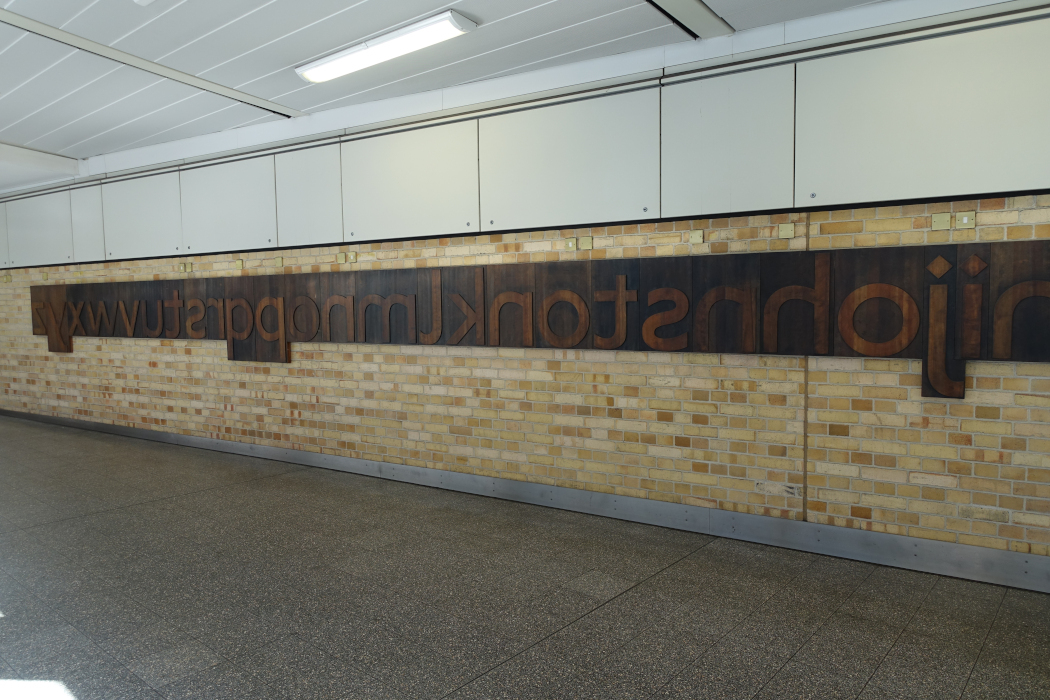
 There is a strange text on the wall in the corridor of Farringdon underground station. It looks like the English alphabet in mirror image. But if you look more closely, there is an irregularity in this "alphabet" which, when read together, spells JOHNSTON. This is reminiscent of the font used throughout the underground. Johnston (or Johnston Sans) is a font designed by Edward Johnston. It has been in use since 1913. If you don't recognize it everywhere, take note: the dots above the letters "i" and "j" are small diamonds. This font has been slightly modified over time. In 1979, Japanese designer Eiichi Kono made minor changes to the proportions. In 2016, the font was modified again to make it suitable for digital display, and new symbols were added. It is now called Johnston100.
 Morden
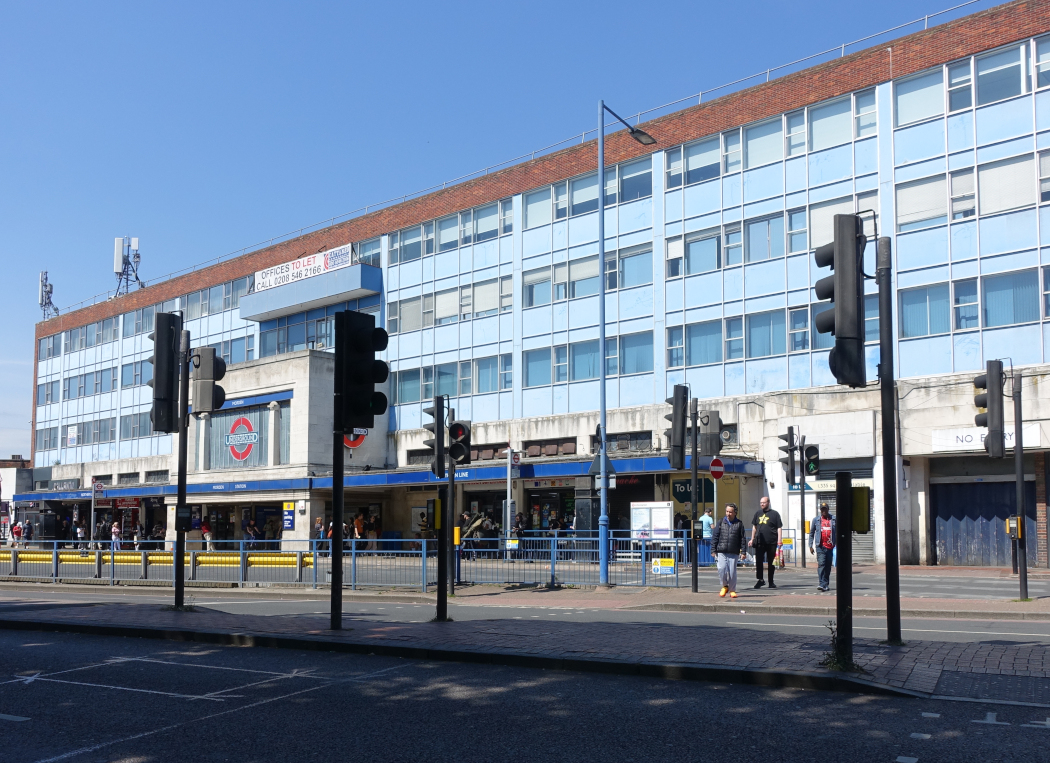
 Morden Underground station. The building is quite nondescript in appearance. Nothing special. The name is somewhat dull. But it is London's southernmost Underground station. And, absurdly, it is located on the Northern line. A prime example of how initial plans and reality do not always coincide when building something.
 St Paul's
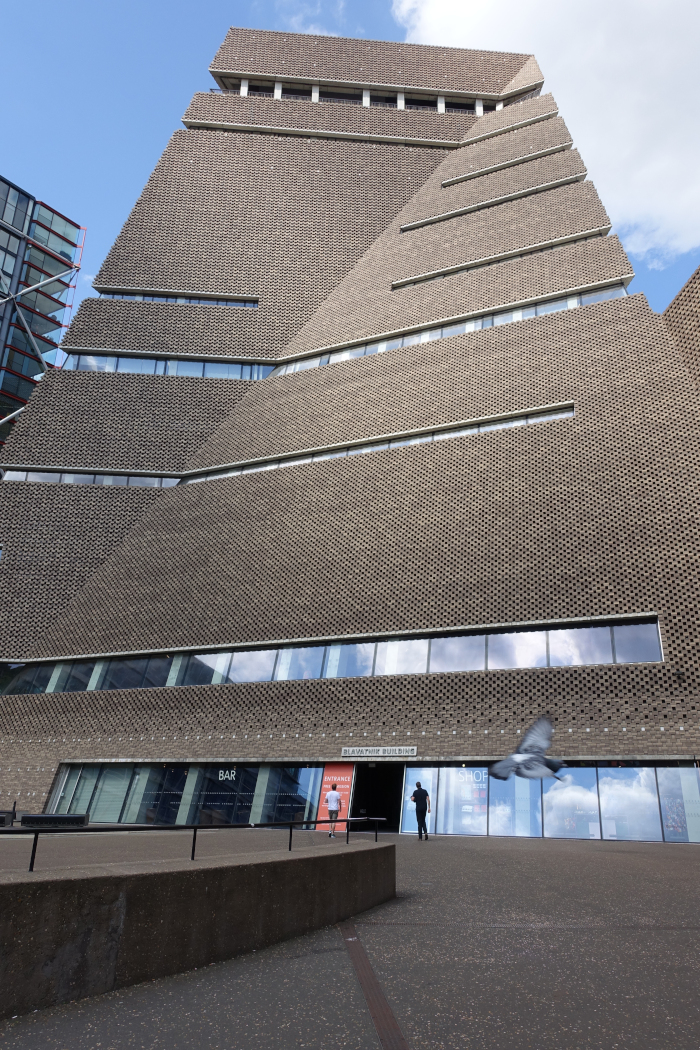
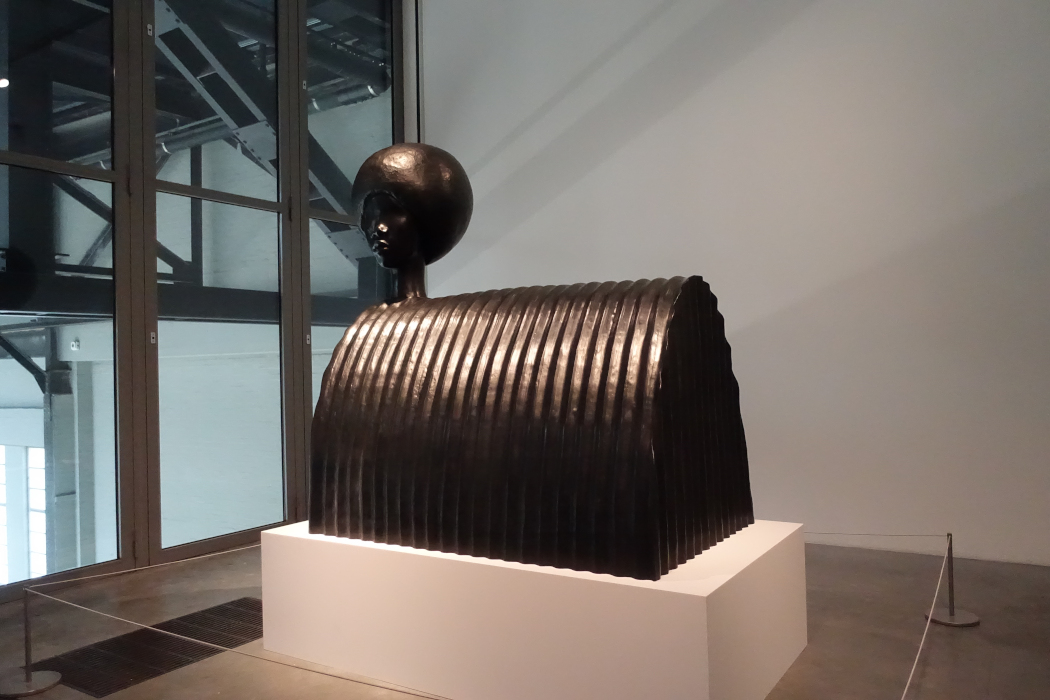
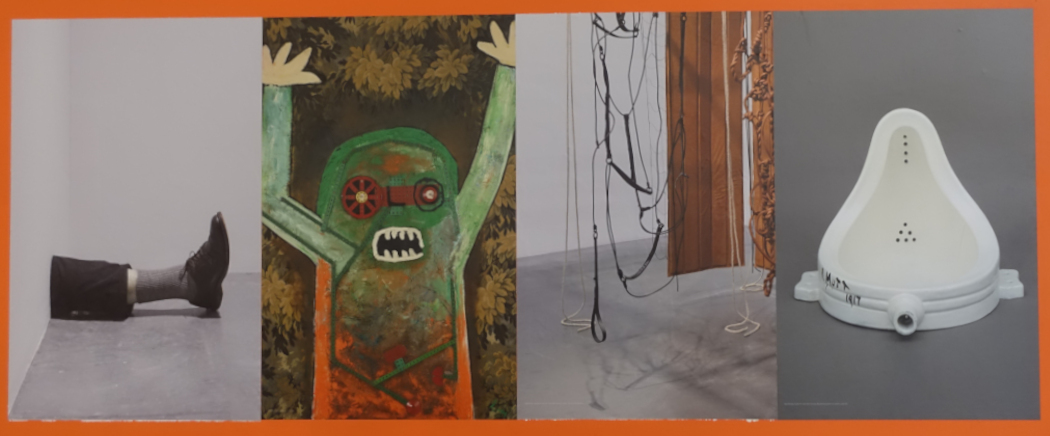
 Tate Modern, a museum of modern art built from a former power station. The exterior is incredibly interesting. The interior... Not so much.
 South Kensington
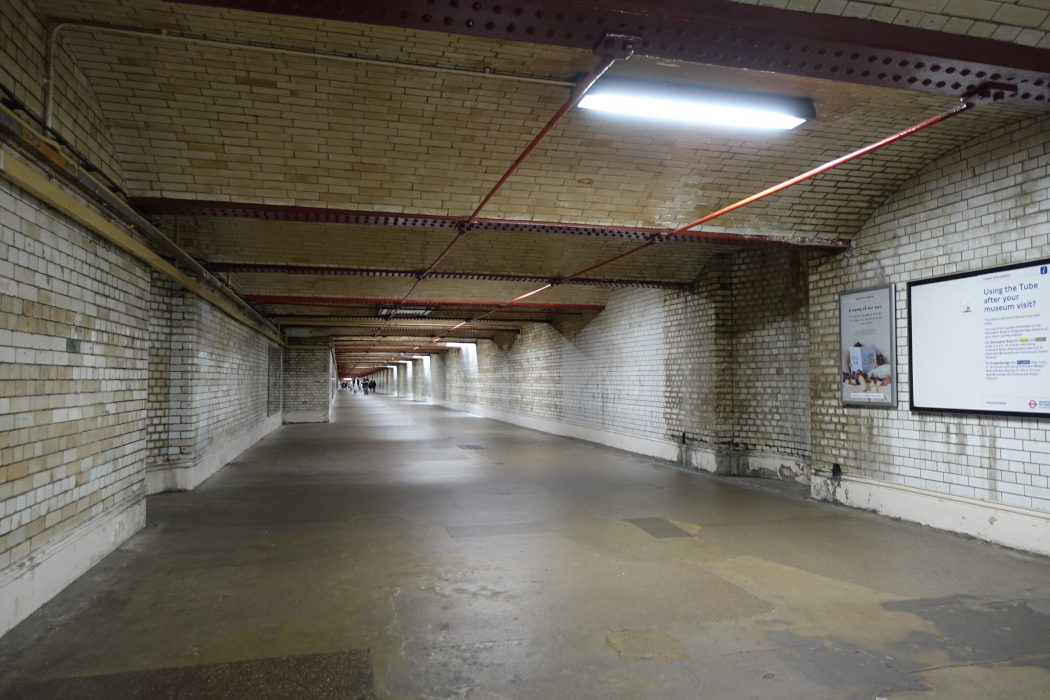
 A pedestrian tunnel over 400 meters long. It connects the Underground station to three different museums, and you only have to walk ten to fifteen meters in the rain.
 Earl's Court
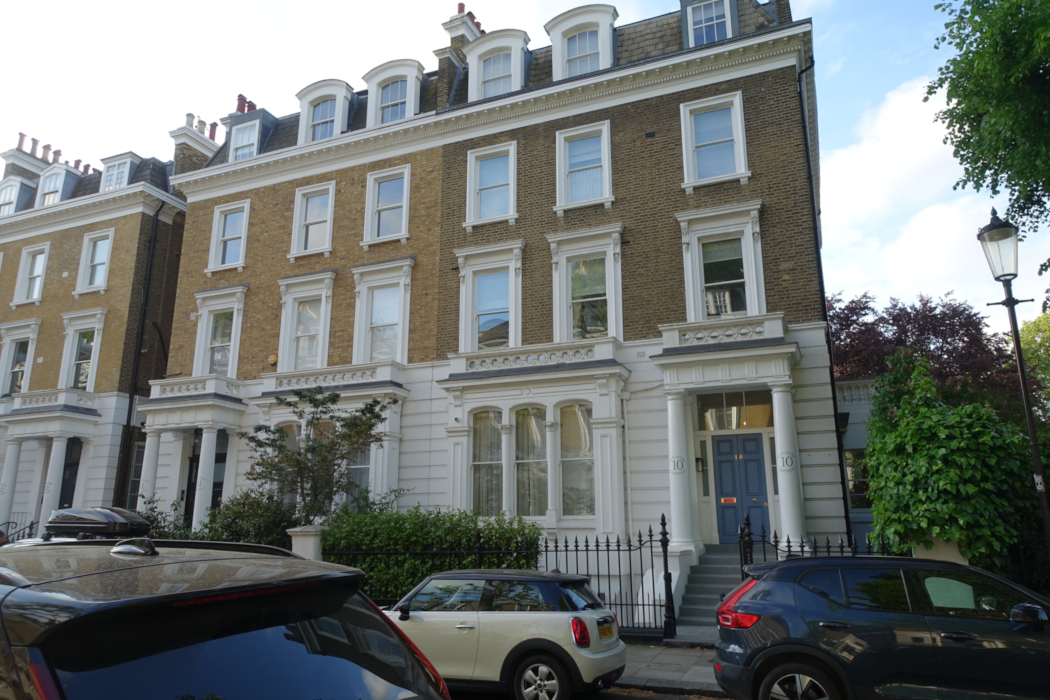
 10 Gledhow Gardens. Andrew Lloyd Webber wrote the first version of the rock opera "Jesus Christ Superstar" in this house. He lived here in apartment number 1 starting in 1964.
 Gunnesbury
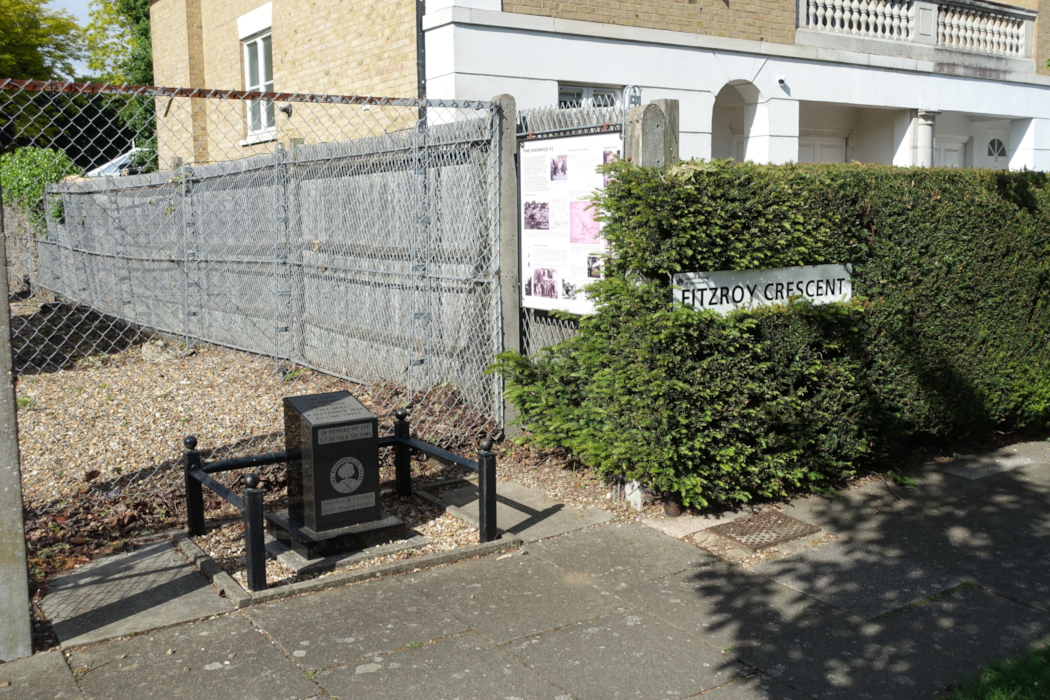
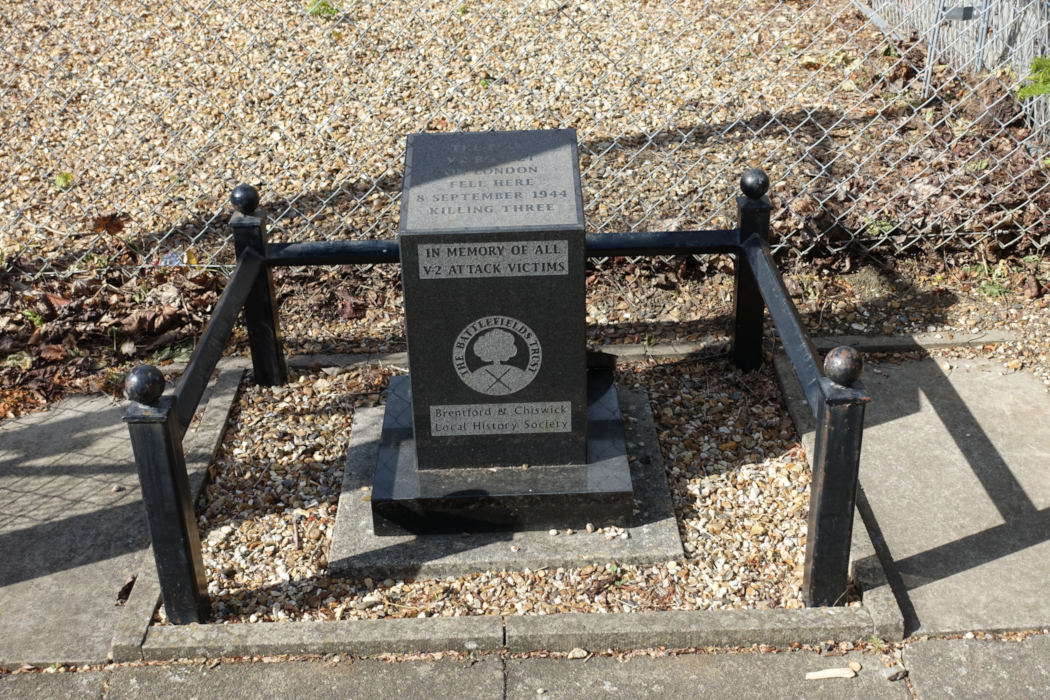
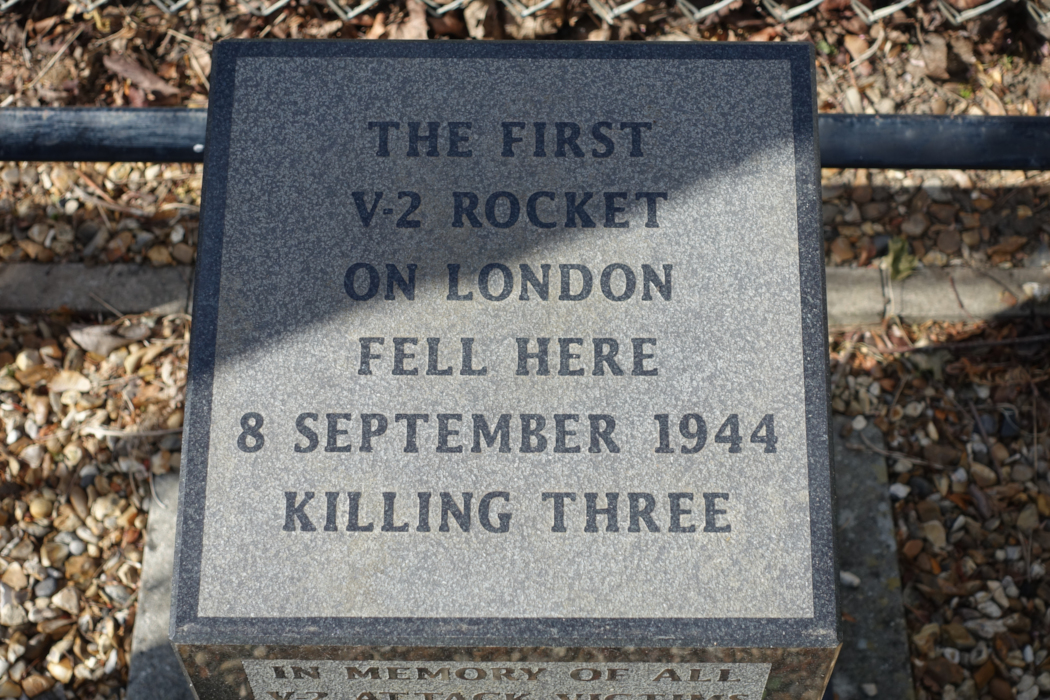
 The site where the first V-2 rocket struck London on September 8, 1944, killing three people and injuring 22, and destroying 11 houses. The authorities did not want to cause panic, so the public was told that a gas pipeline had exploded. It is difficult to say exactly how many V-2 rockets struck London in total. Figures from various sources vary widely, ranging from 500 to 1,350. Many conventional bombs also fell on the city; during the war, there were more important things to do than count hits. Accuracy was virtually nonexistent at the time, and uninhabited areas were certainly hit as well.
 Barbican
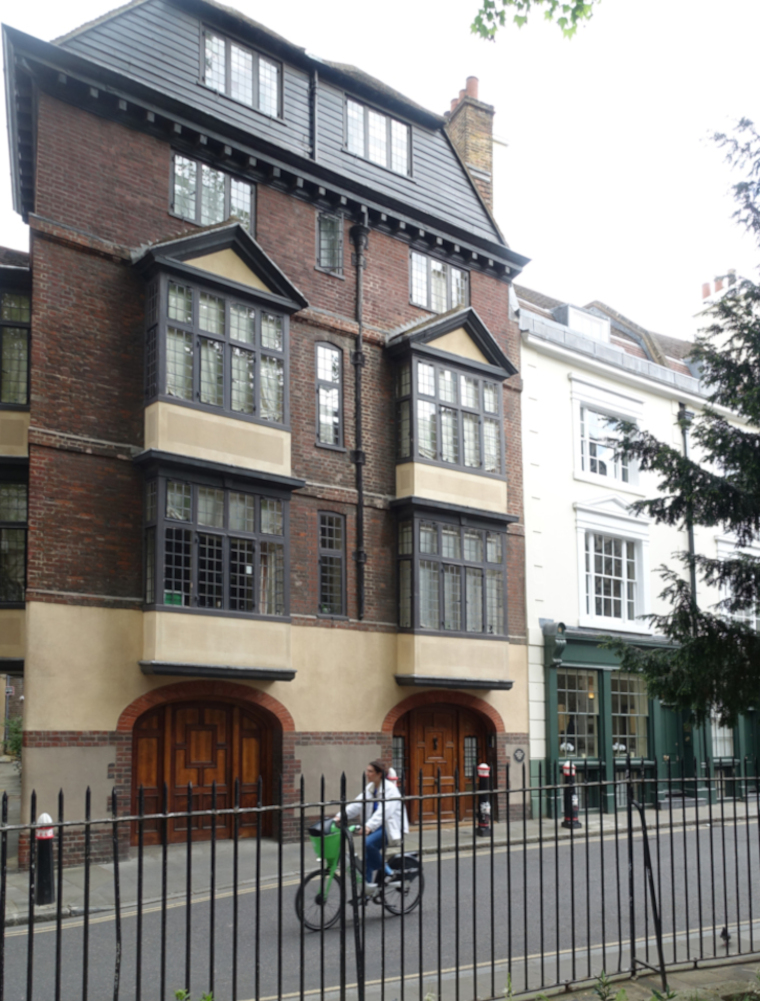
 41–42 Cloth Fair. The oldest residential building in central London, it miraculously survived the Great Fire of 1666. In 1929, plans were made to demolish it, but fortunately it was preserved. The building was in very poor condition, but in 1995 it was acquired by new owners who thoroughly restored it. In 2000, this work was honored with the City Heritage Award. Several notable figures, such as Sir Winston Churchill and the Queen Mother (the mother of Elizabeth II), have left their autographs in diamond pencil on the tin-framed windowpanes of the building.
 Cannon Street
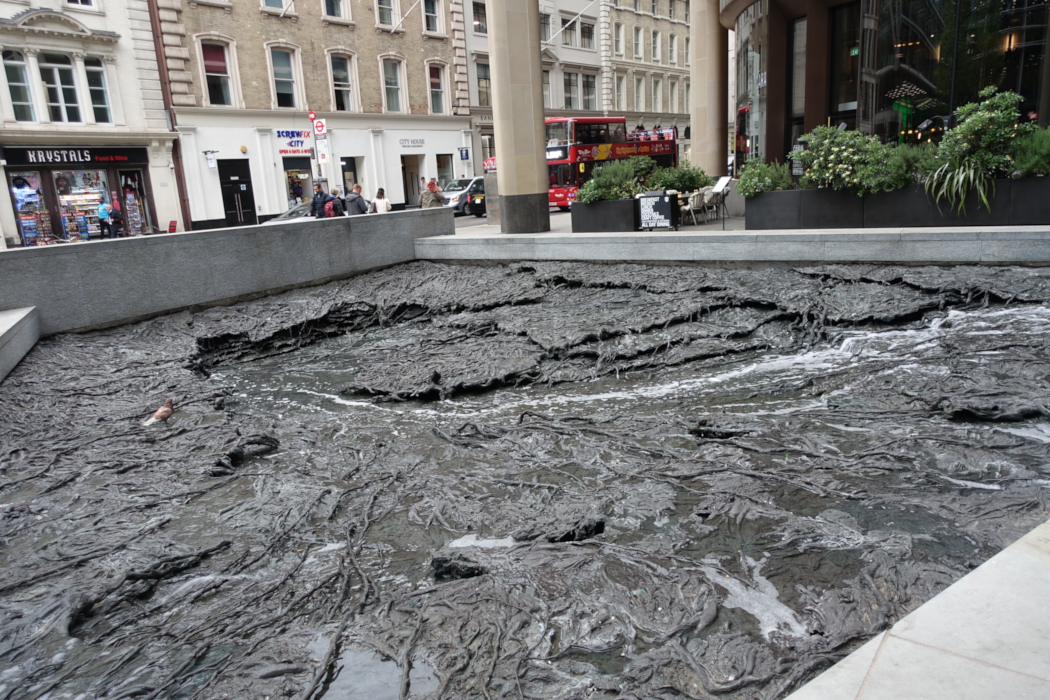
 A small river called the Walbrook once flowed through this part of central London. The river is long gone, but a small part of it has been recreated in artistic form.
 Highgate
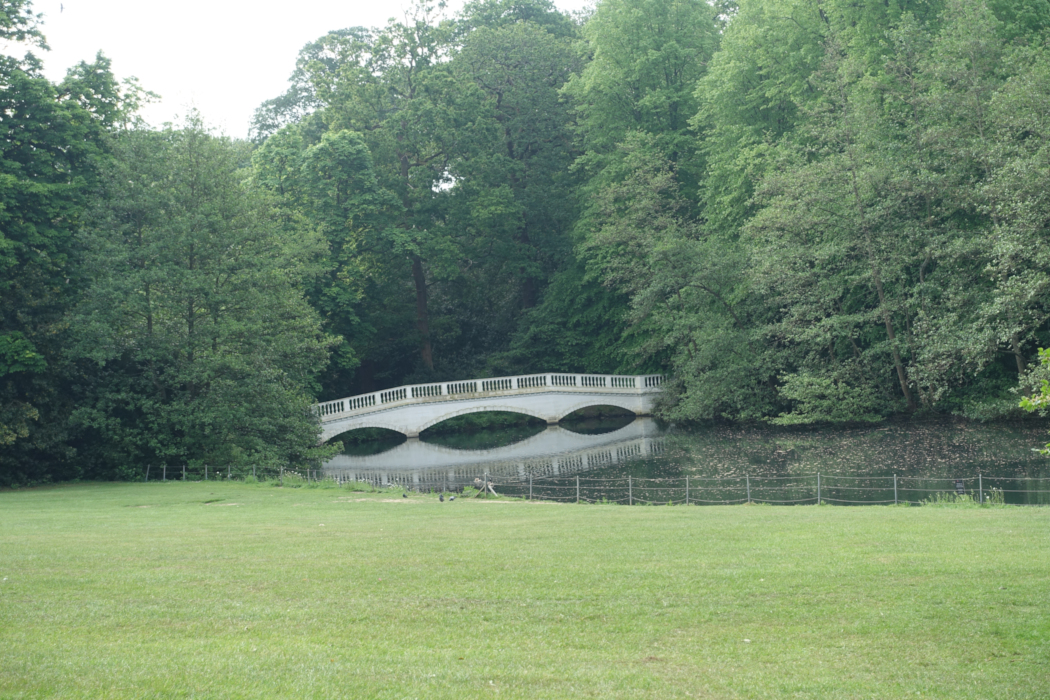
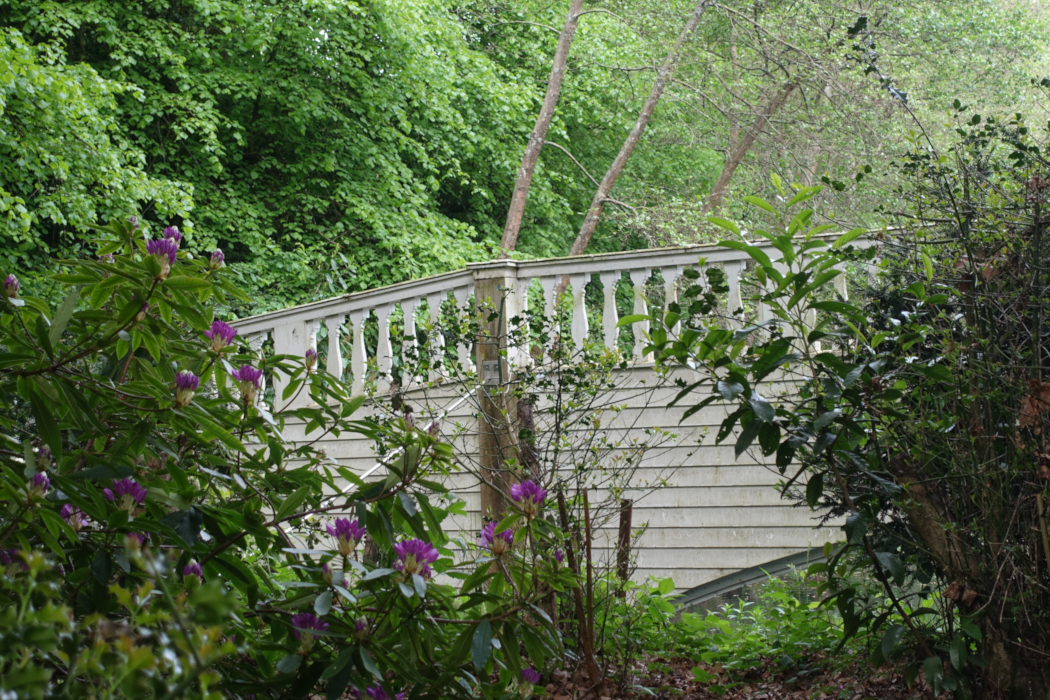
 A beautiful bridge over the pond. When you walk to the other side, you realize there isn't actually a bridge—it's just like a theater set.
 Paddington
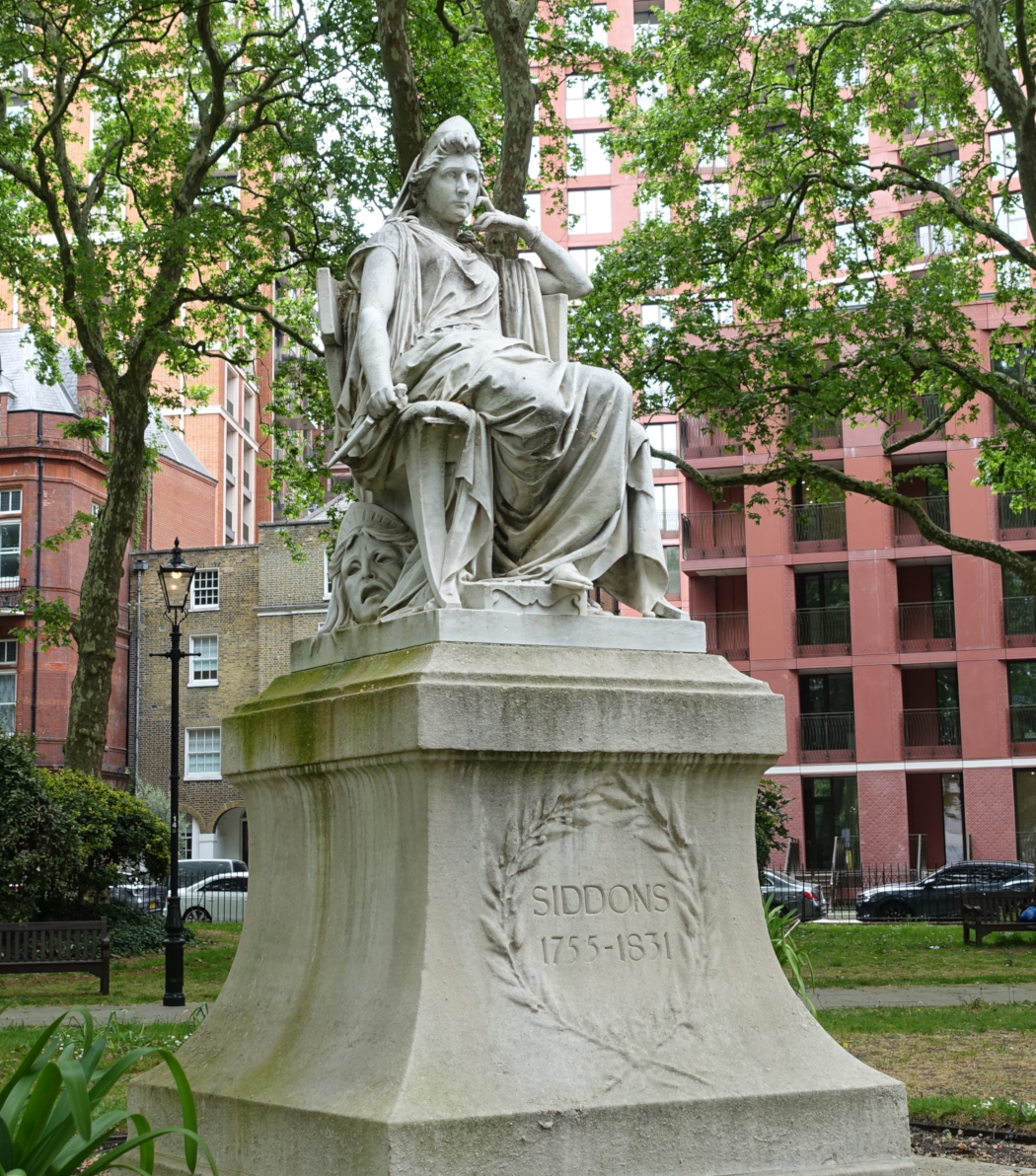
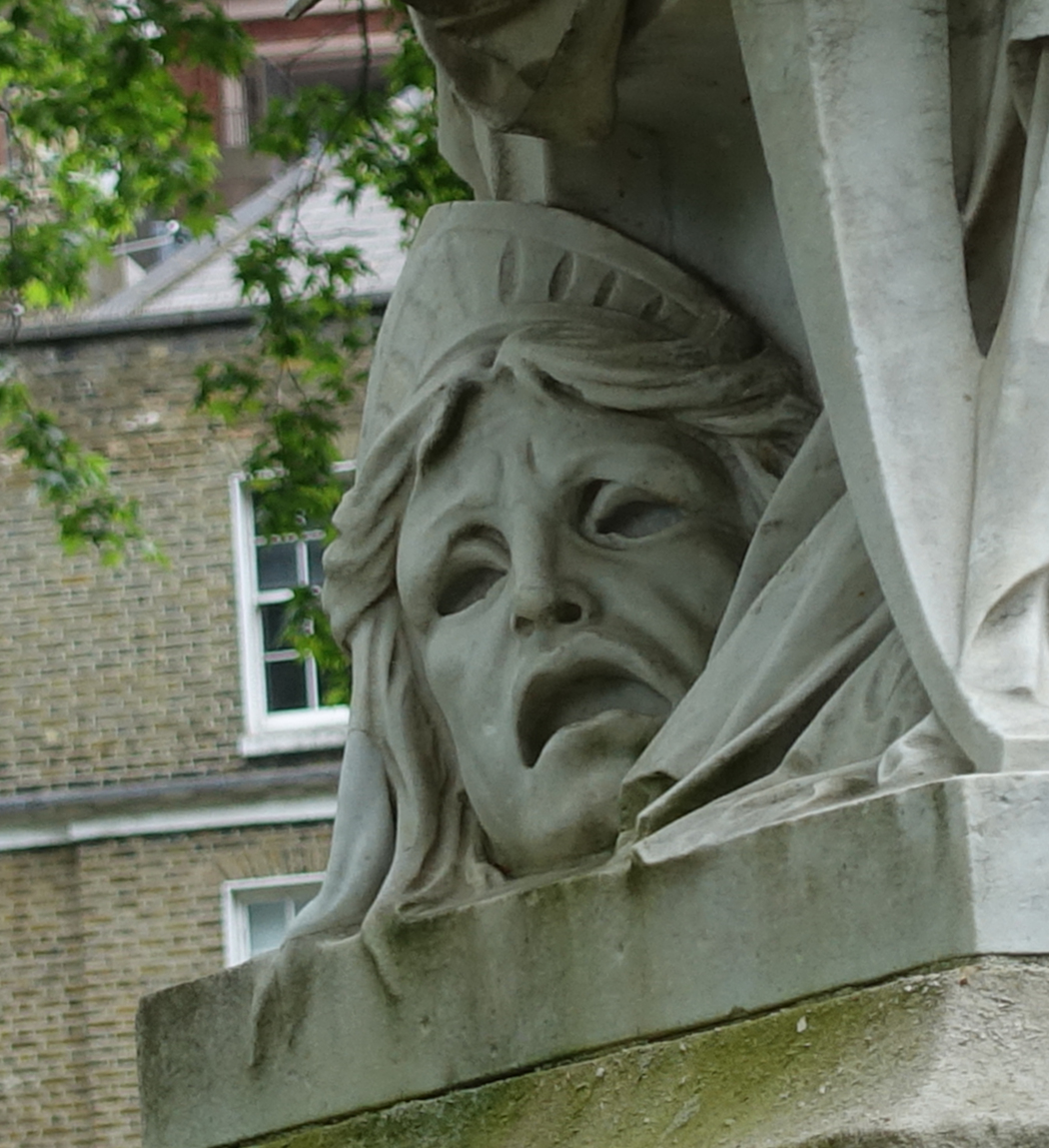
 One of the first large statues in London depicting a woman. Sarah Siddons, an actress. One of her most famous roles was Lady Macbeth. It’s a statue like any other, but it’s worth paying attention to the small details that might go unnoticed at first.
 Surrey Quays
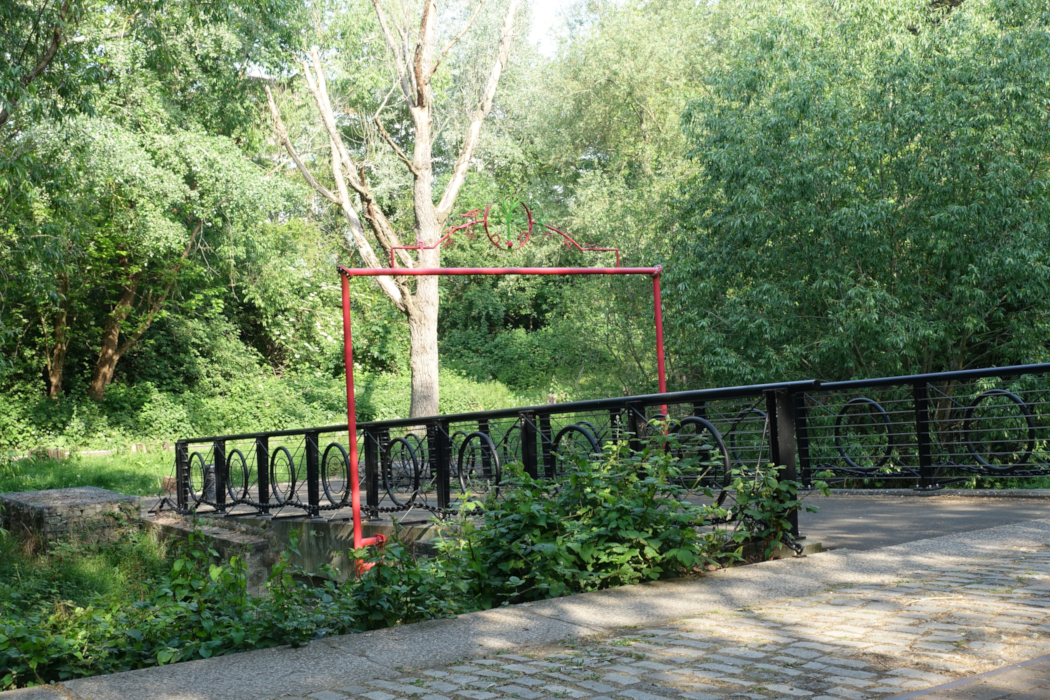
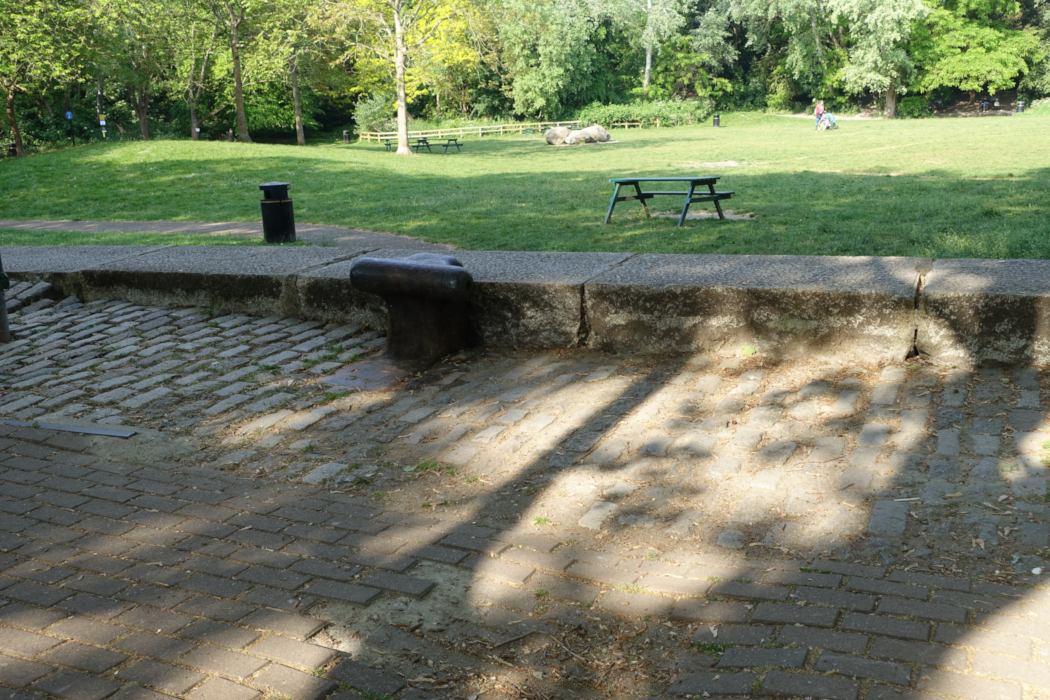
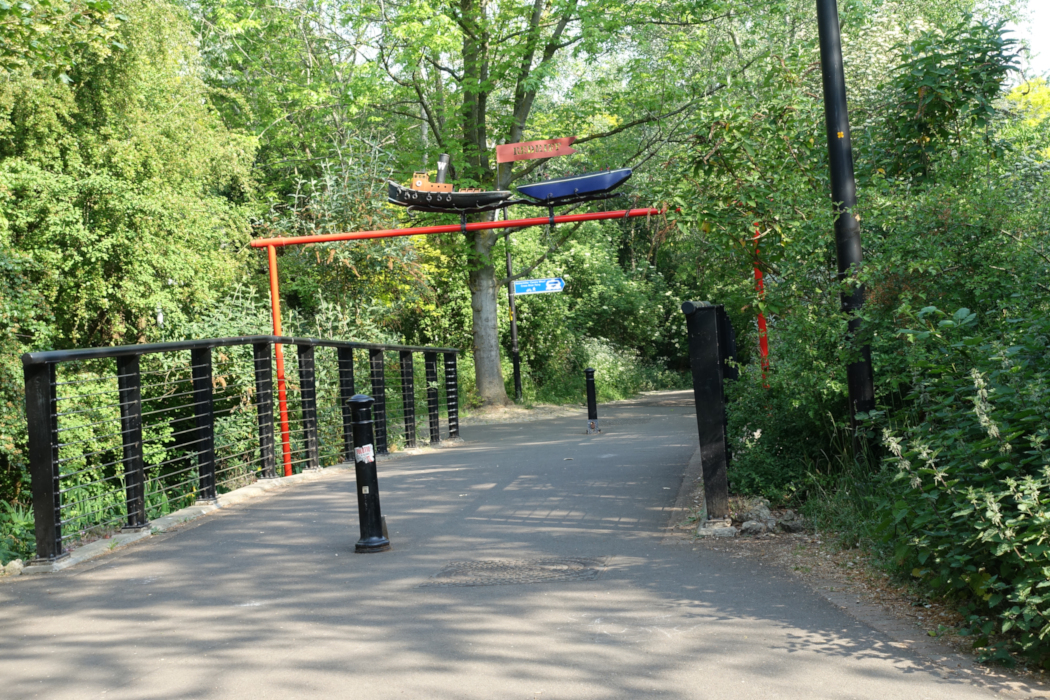
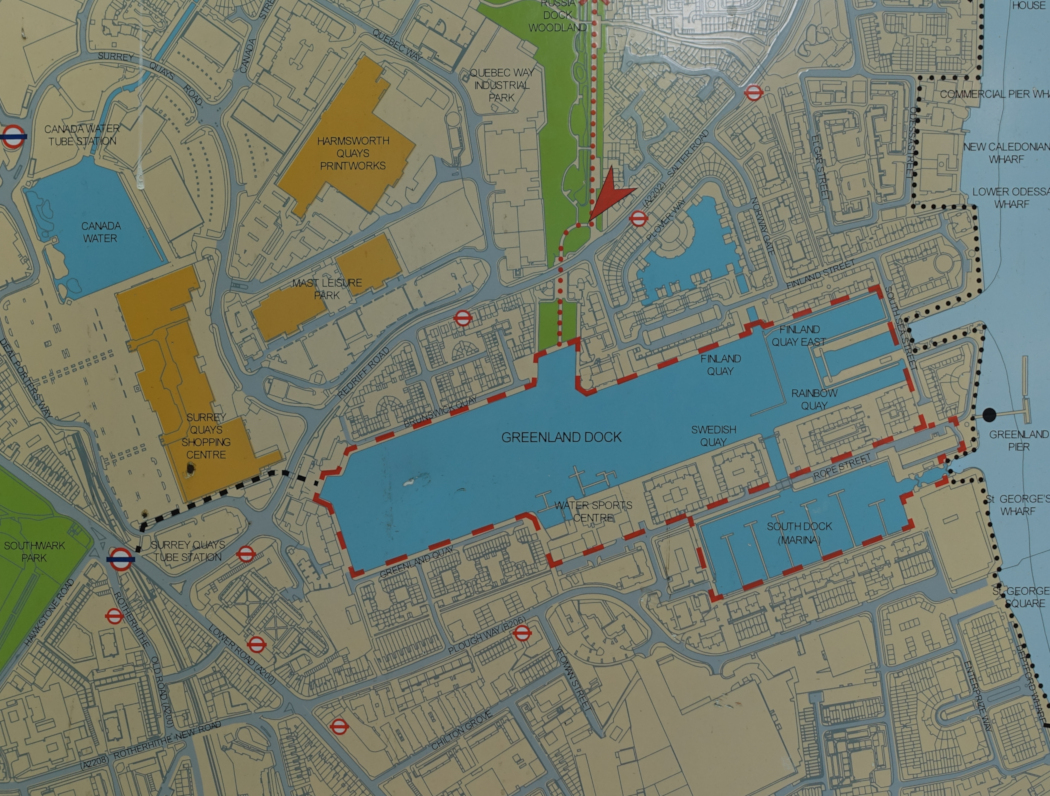
 Russia Dock was once a place where ships carrying timber from Norway, Sweden, and Russia would dock. Times have changed, and it has now become a narrow but long park. Only a few clues visible to the experienced eye indicate that cargo ships once docked at this spot, which is now a pleasant place to take a walk.
 Surrey Quays
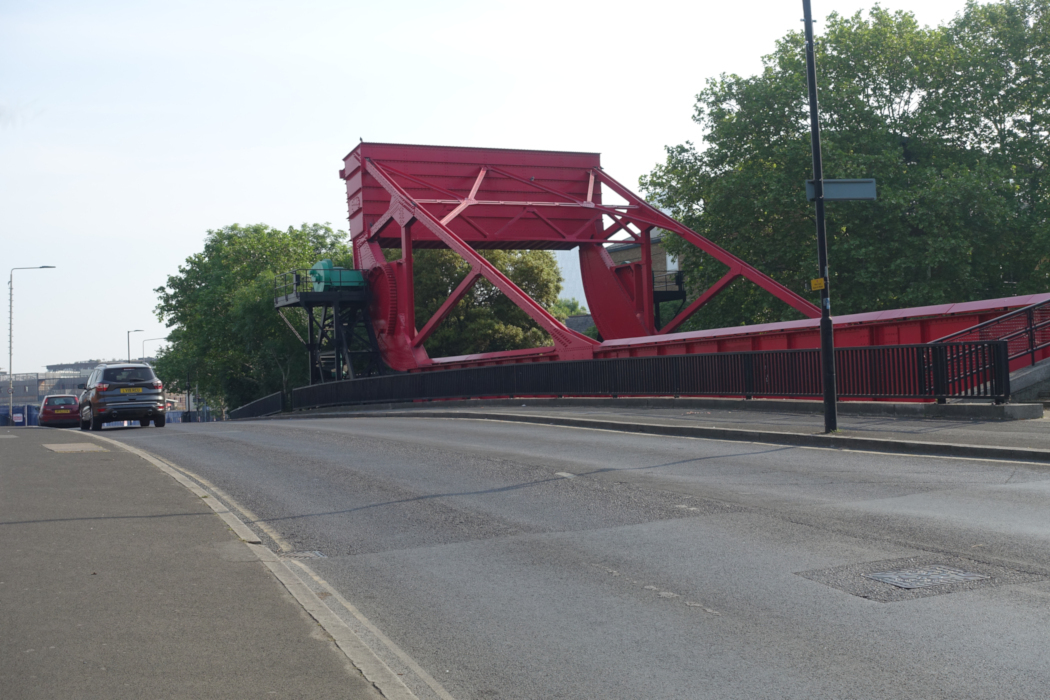
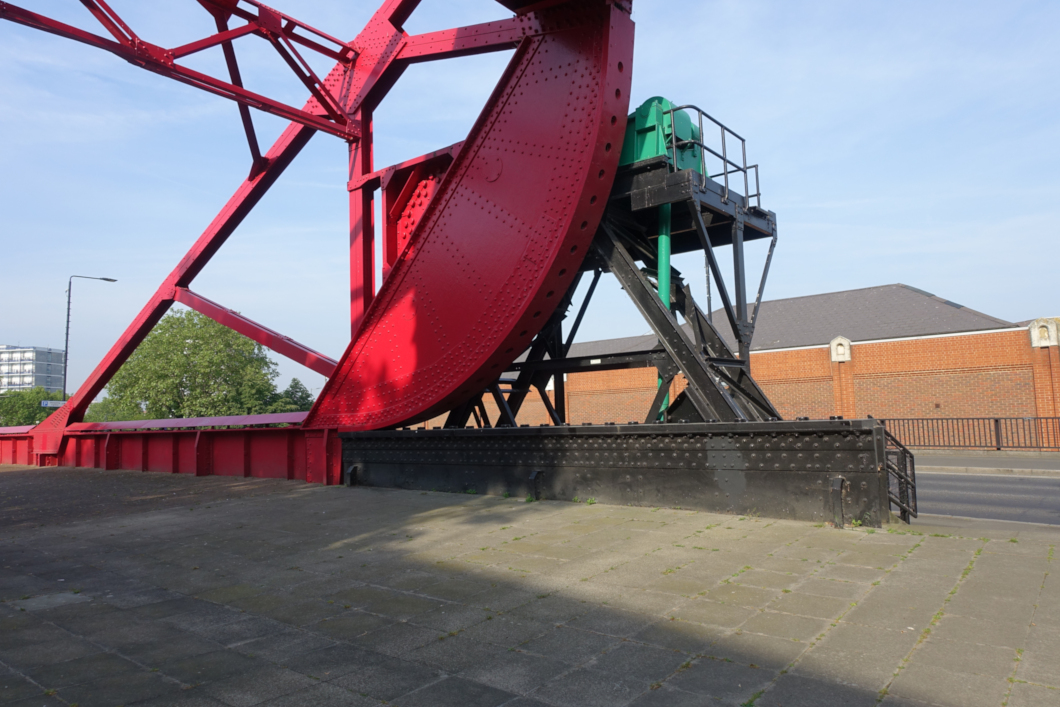
 The old drawbridge at Greenland Dock. It is no longer in use. A Tesco store now stands where boats used to sail underneath it. However, the bridge has been preserved for history and technology enthusiasts and is kept in good condition. The bridge does not rise on a pivot, but tilts. A large water tank at the top serves as a counterweight.
 South Quay
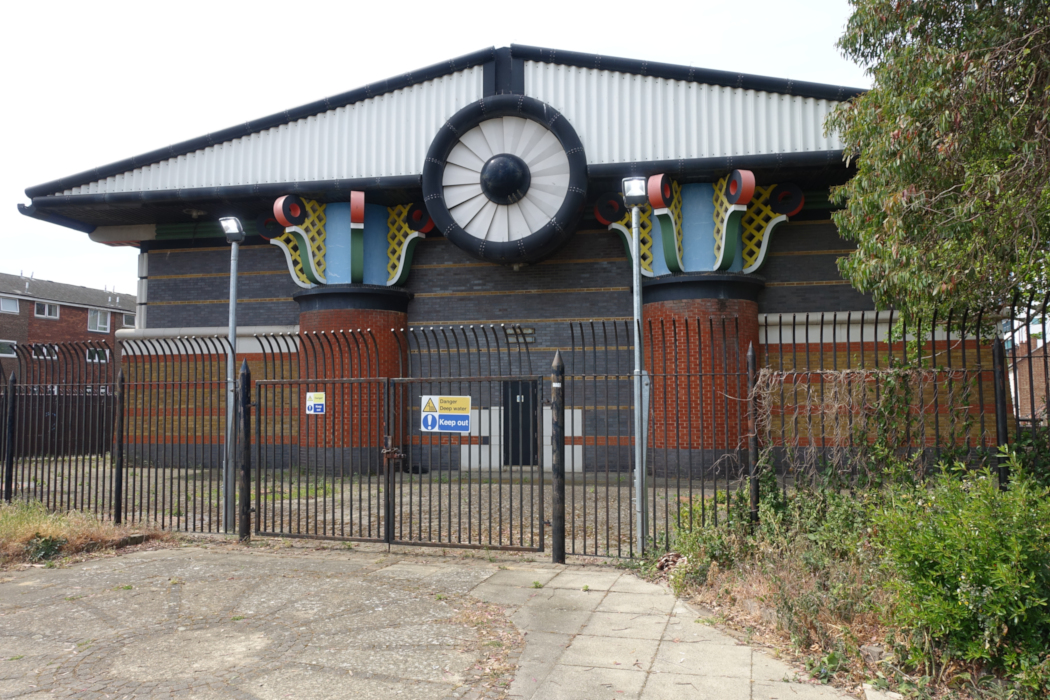
 It’s a building with a somewhat kitschy feel, but quite unique. What on earth is it? It’s a pumping station that pumps water out of the drainage system during heavy rains to prevent flooding on the streets.
 Nine Elms
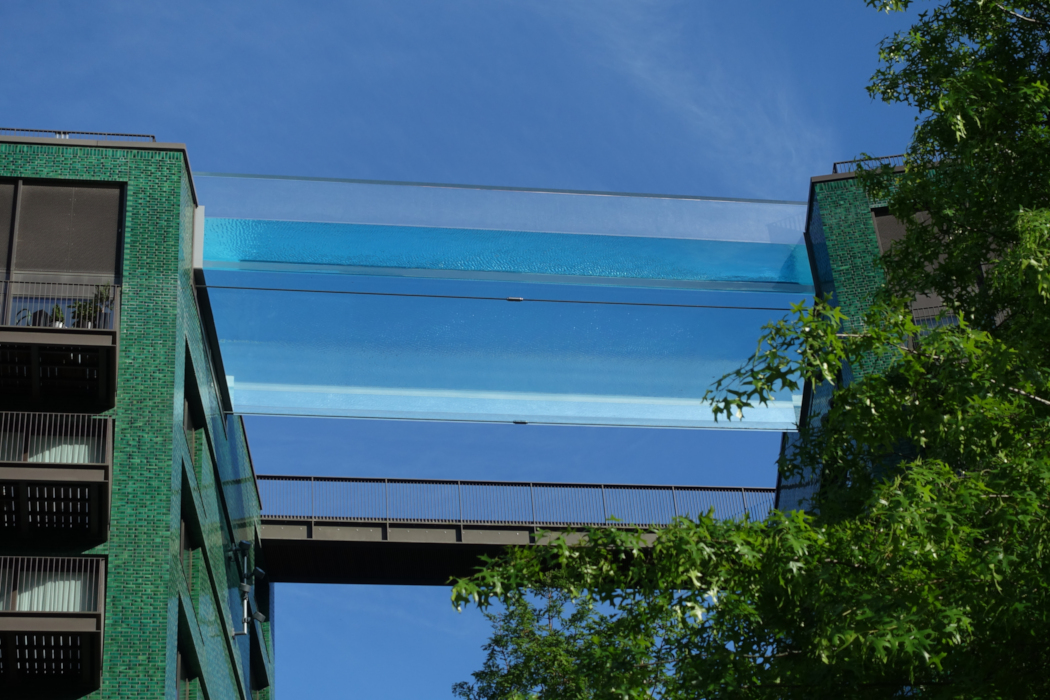
 What is it? There’s a swimming pool between two buildings. At first glance, it’s hard to tell—it’s made entirely of glass and very transparent. Yet it is a real swimming pool where the wealthy residents of the building can go for a swim. It’s likely that not everyone would dare to do so, as the pool’s transparent bottom is 35 meters above ground level.
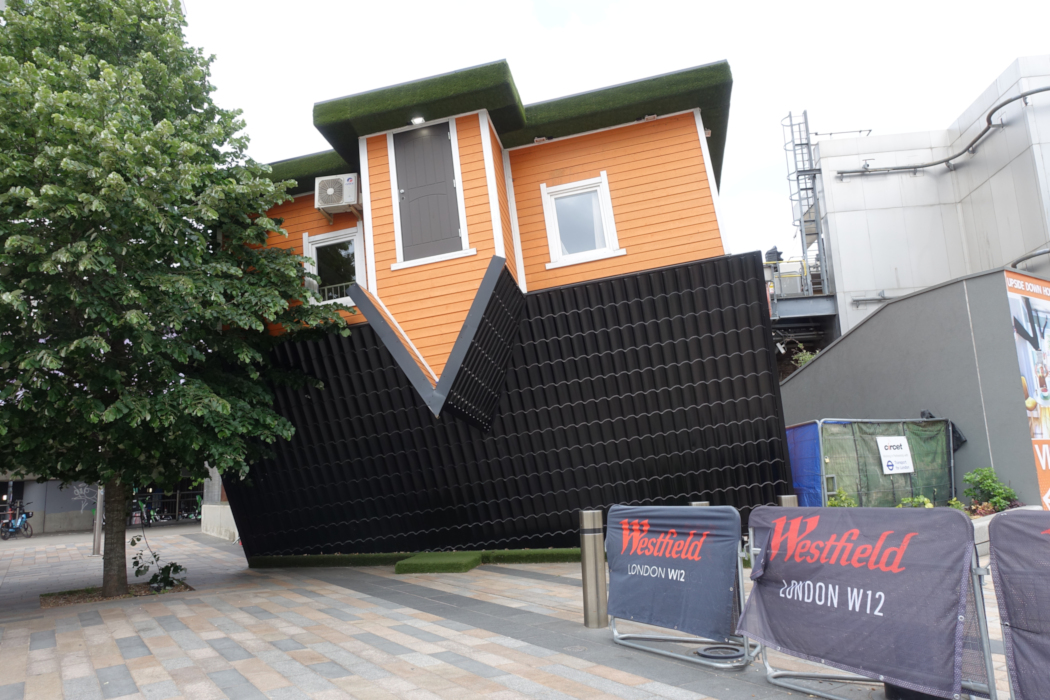
 White City
 London has its own "upside-down house" too. But there are similar ones in many cities around the world—it's up to you to decide whether it's worth spending eight pounds to go inside.
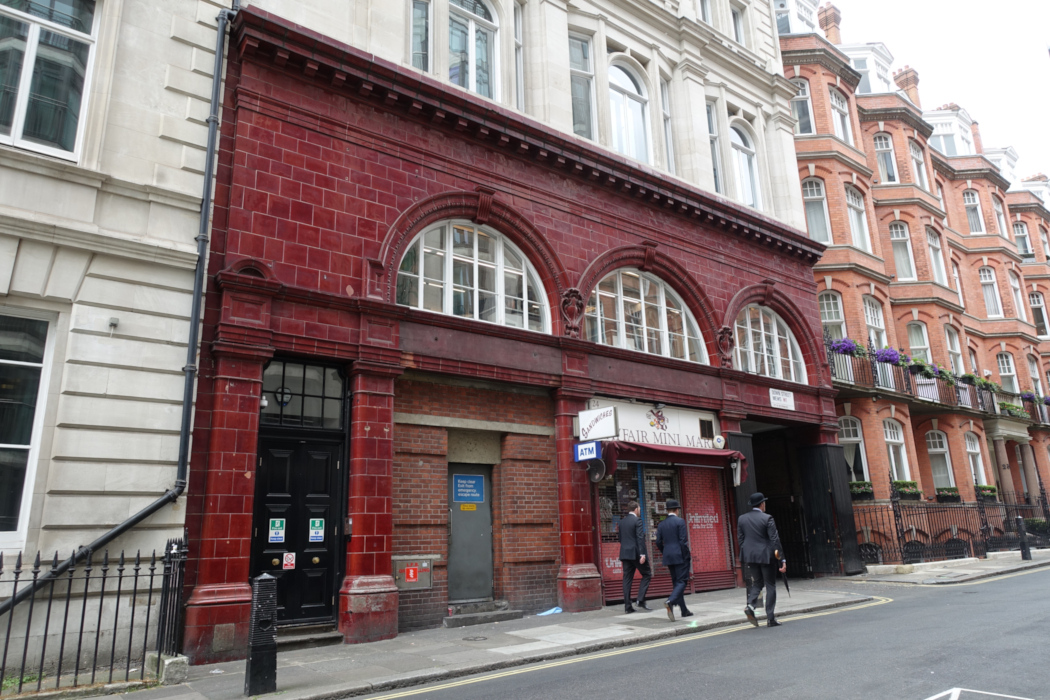
 Hyde Park Corner
 Down Street underground station. Located just a few hundred meters from the other station, this area is home to affluent residents who prefer other modes of transportation. As a result, this station was permanently closed as early as 1932. Architect Leslie Green—his stations, with their dark red terracotta bricks and arched windows, are recognizable from a distance (“If it’s red, it’s Green”). But during World War II, this location was known as the second site, alongside the War Rooms, where Winston Churchill held meetings with his team.
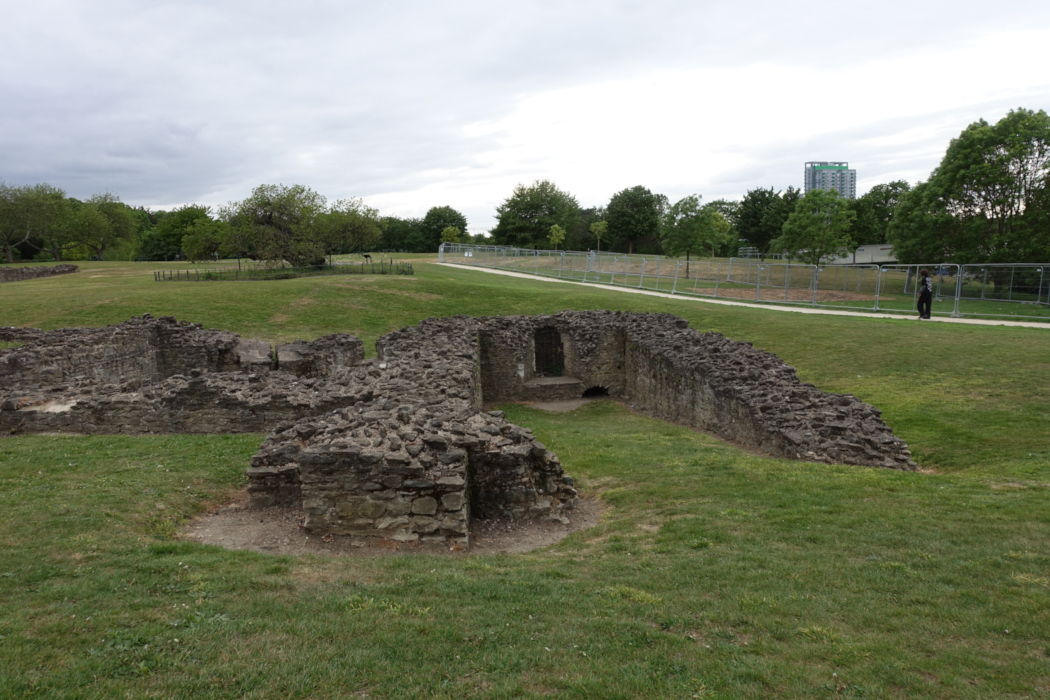
 Abbey Wood
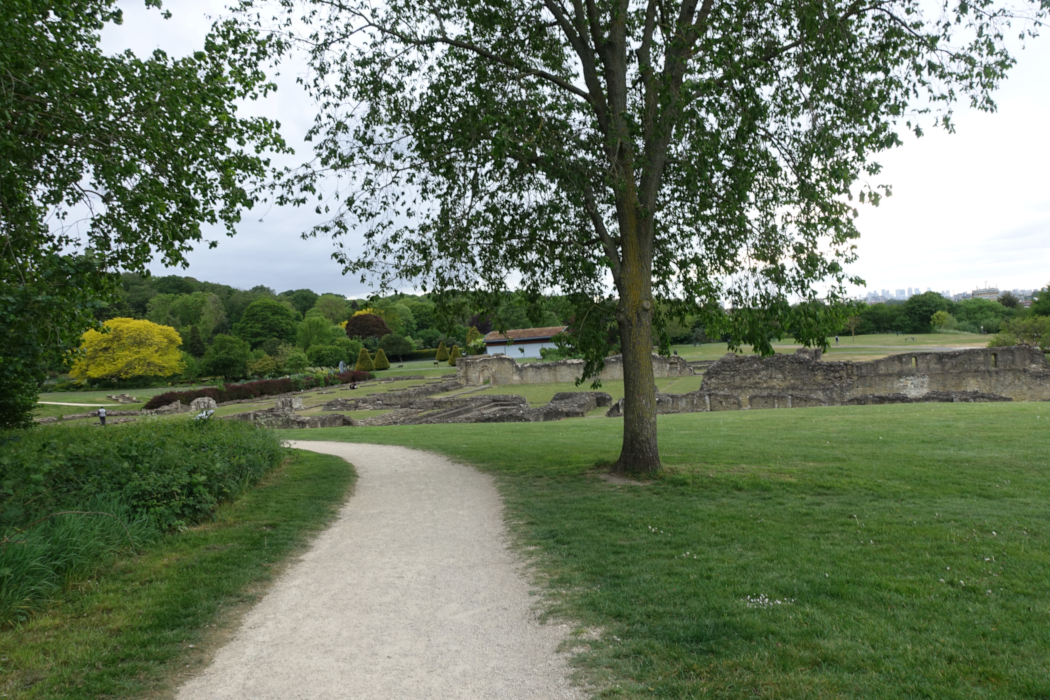
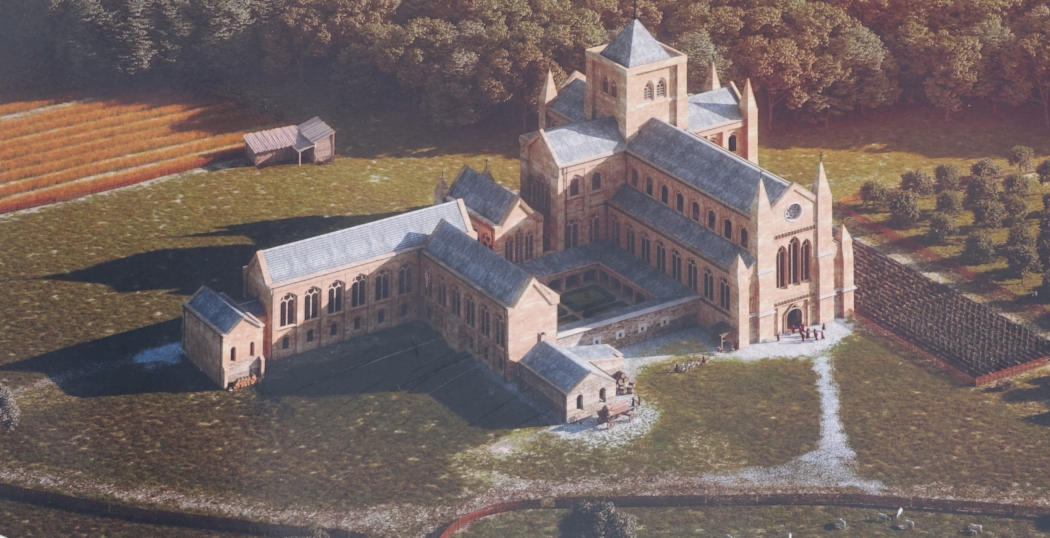
 Lesnes Abbey was a monastery located in northeast London. Today, only the ruins of its walls remain, but it’s still worth a visit. That’s because these ruins are set in a beautifully restored park. It’s just a half-kilometer walk from the Abbey Wood station on the Elizabeth Line. If you get hungry, there’s also a café.
The abbey was built by Richard de Luci, Chief Justiciar of England, in 1178. It is believed that the construction of the abbey was part of his penance, as he was implicated in the murder of Thomas Becket, Archbishop of Canterbury.
 West Kensington
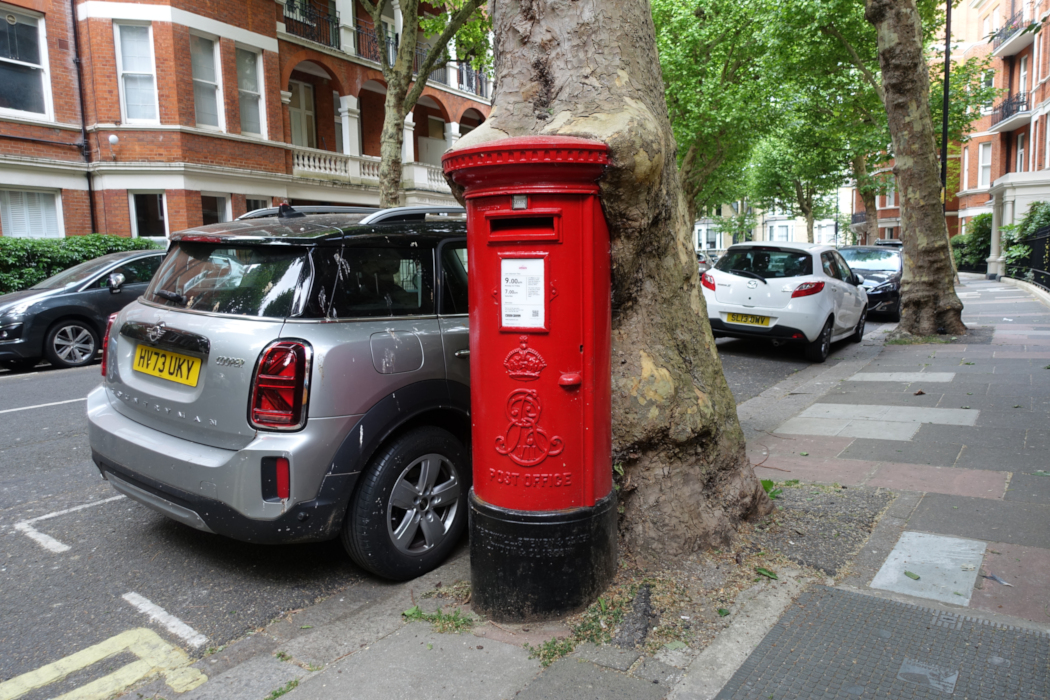
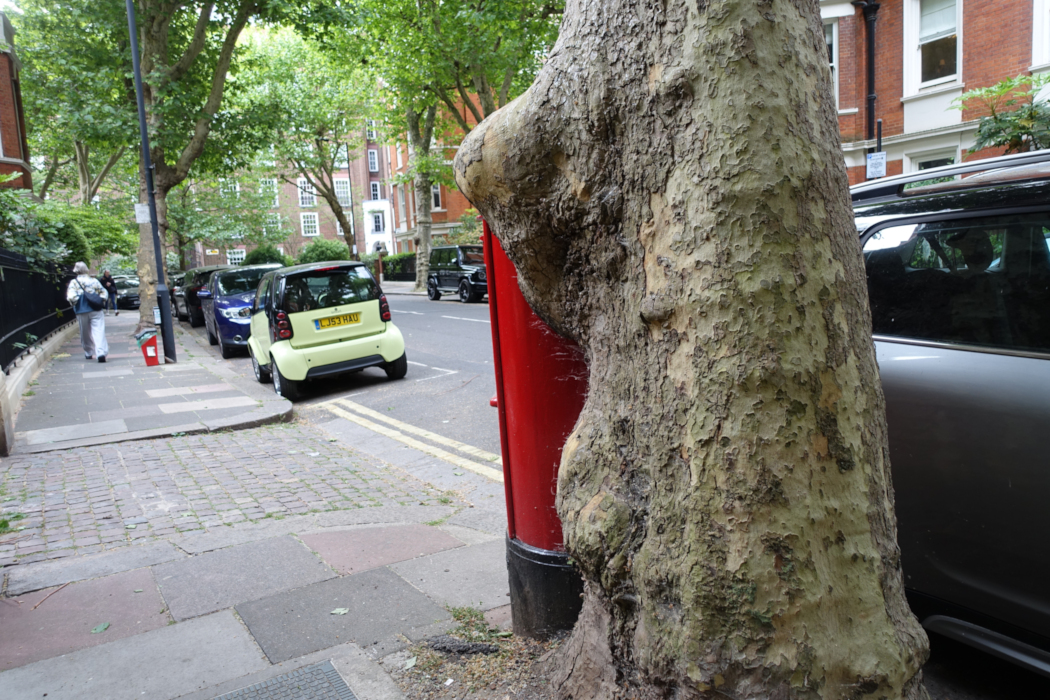
 A tree surrounds the mailbox. The mailbox bears the letters "ER VII." This refers to the king during whose reign the mailbox was installed. Consequently, it was King EDWARD VII, who reigned from 1901 to 1910. ER, of course, stands for EDWARD REX.
If you want to build a mailbox like this in your backyard , the color code for this red is Royal Mail Red (very close to RAL 3020 Traffic Red or BS381C-538).
 Woolwich;
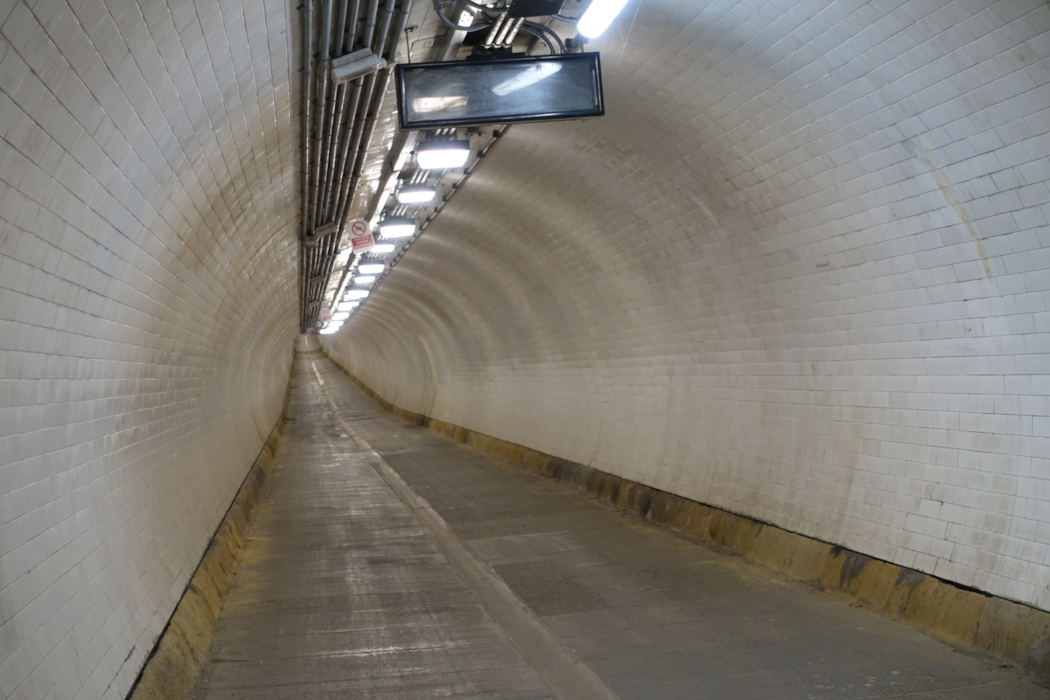
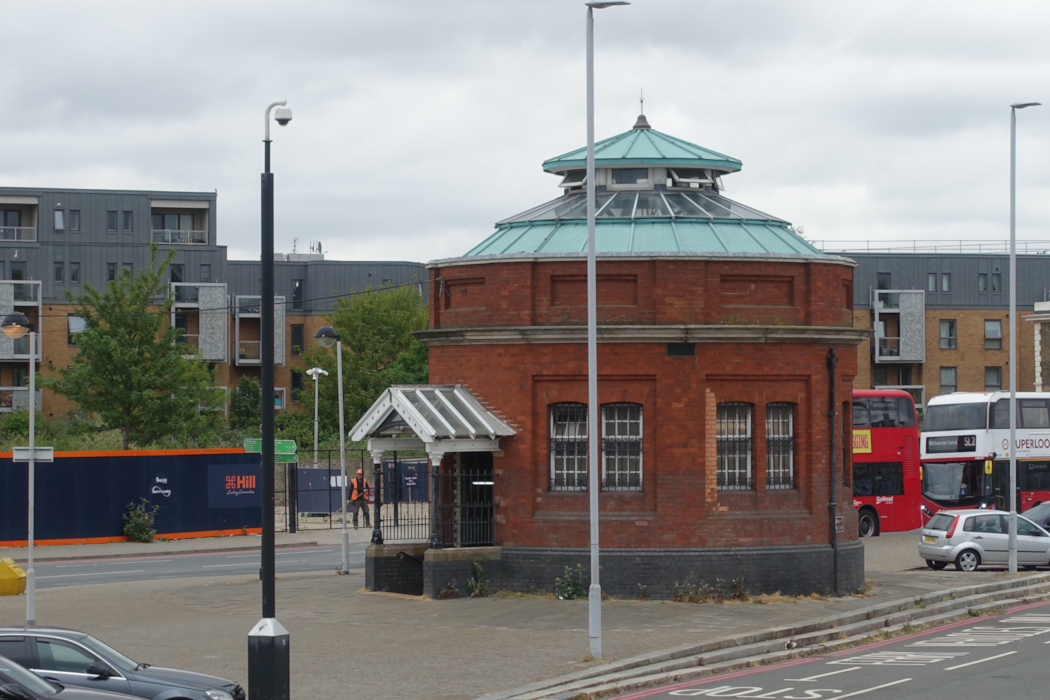
 Woolwich Foot Tunnel. Many people know about the pedestrian tunnel in Greenwich. But relatively few know that there is another similar tunnel under the Thames. It’s quite abandoned, but it’s still in use. When I took this photo, I didn’t have to wait for the tunnel to be empty—it usually is. The elevators have been out of order for three years now, so you have to take the stairs.
 Woolwich;
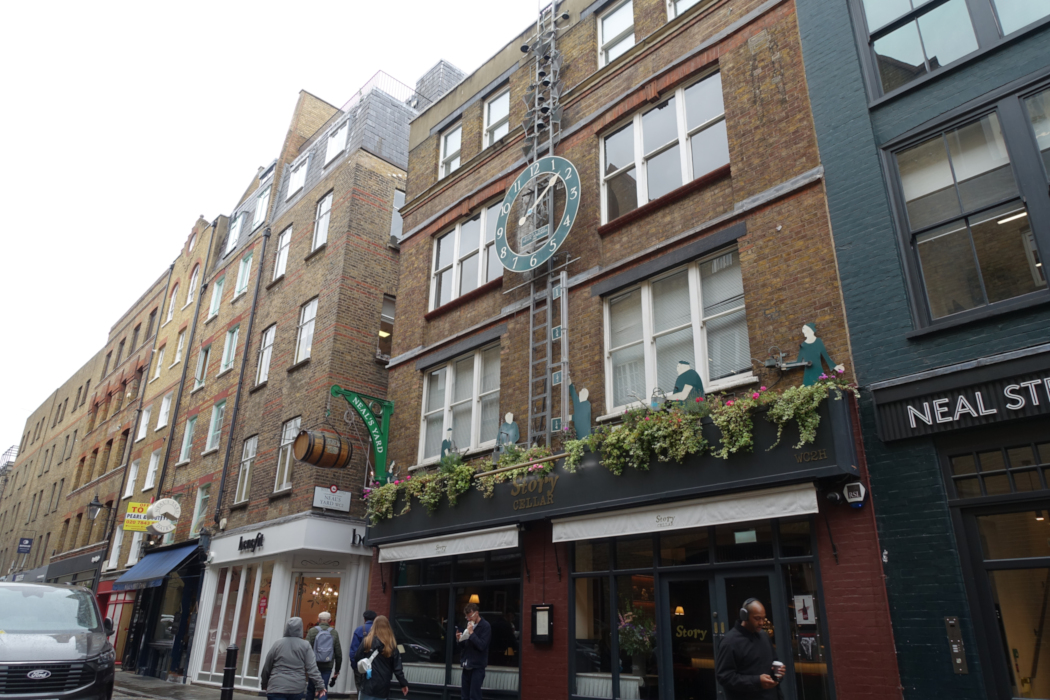
 A clock powered by running water. But when I was there, it certainly wasn't showing the correct time.
 Goodge Street;
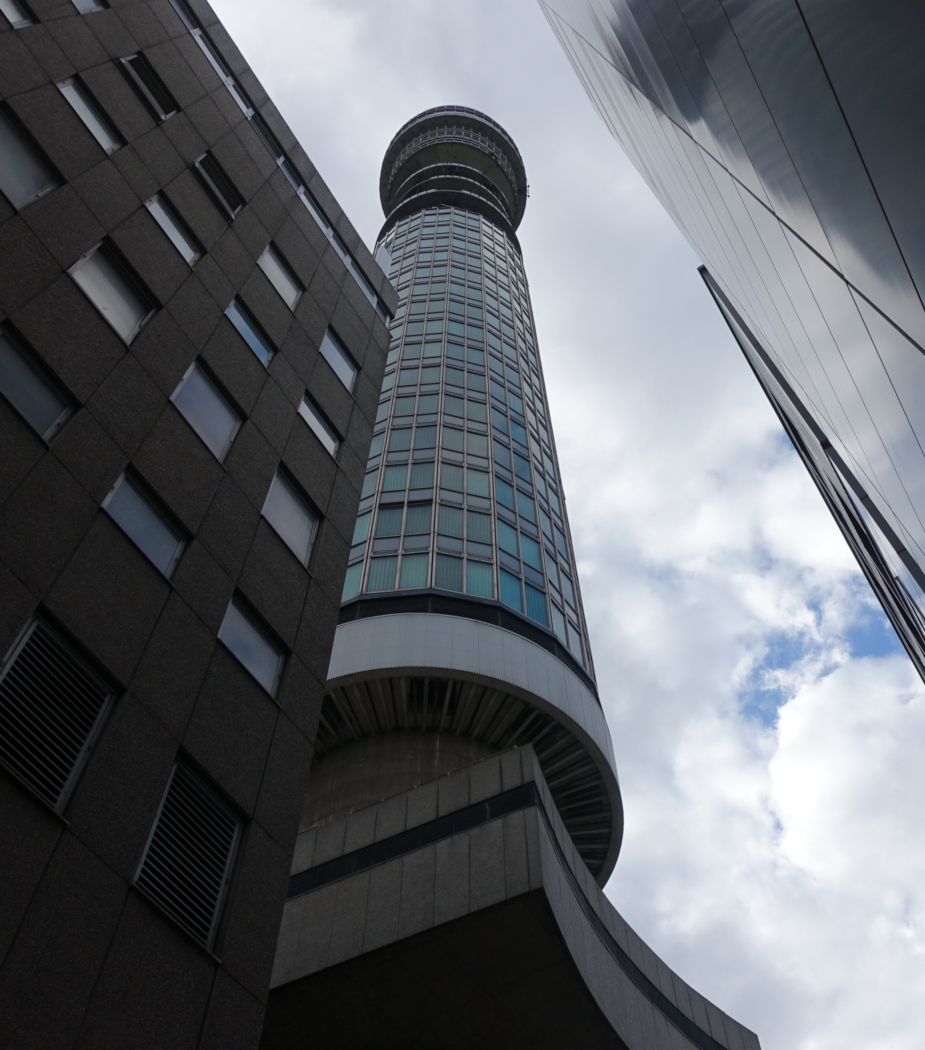
 In London, television signals have been transmitted from three locations (since 1936!). The first two towers were located far from the city center and, of course, are no longer in use for television transmission, although they have been preserved. The third tower was built fairly close to the city center and is known as the BT Tower (BT stands for British Telecom). The tower is 189 meters tall and was built in 1964. Its foundation extends 53 meters below ground level, and the top of the tower sways up to 25 cm in strong winds. Currently, no television signals are transmitted from there, but it houses antennas for other communications. Until 1980, the tower housed a revolving restaurant. The tower is surrounded by an LED panel that displays various information. One day in 2009, a Windows 7 error message was displayed on the tower all day long. In 2024, the tower was sold to MCR Hotels, and plans are underway to build a luxury hotel there.
 Notting Hill Gate
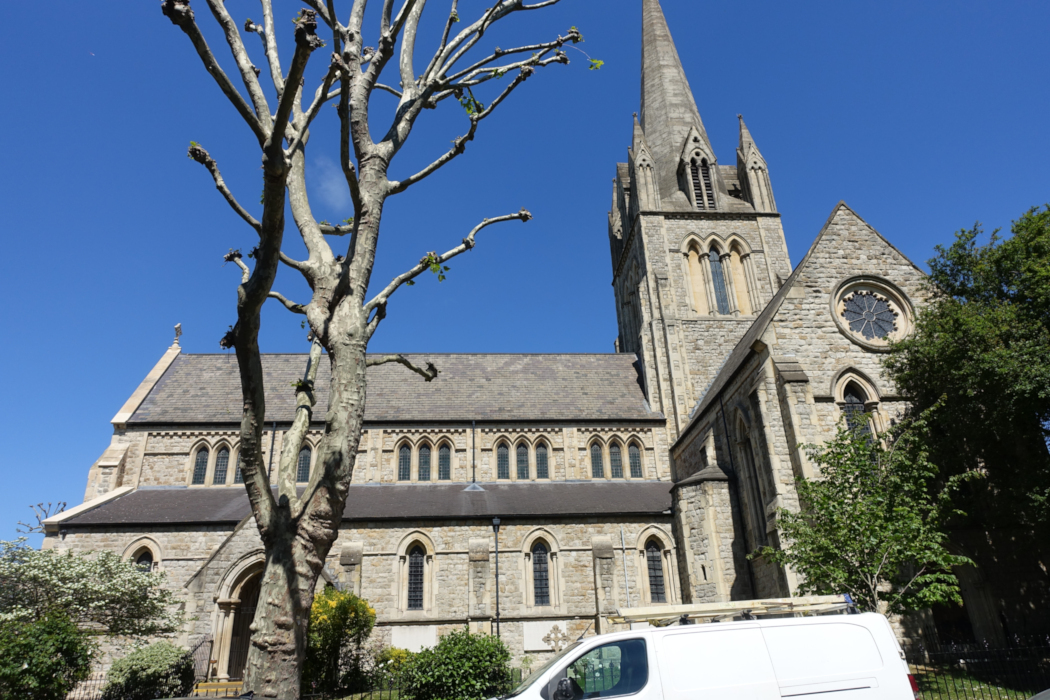
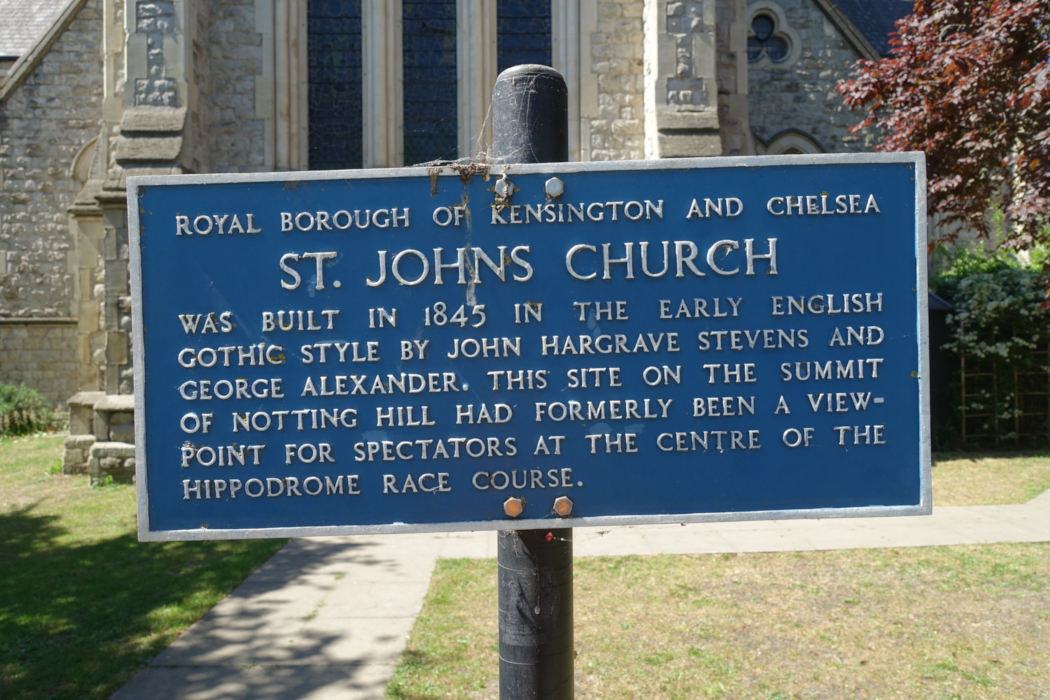
 In London, there is a church built in the middle of a former hippodrome racetrack.
 Temple
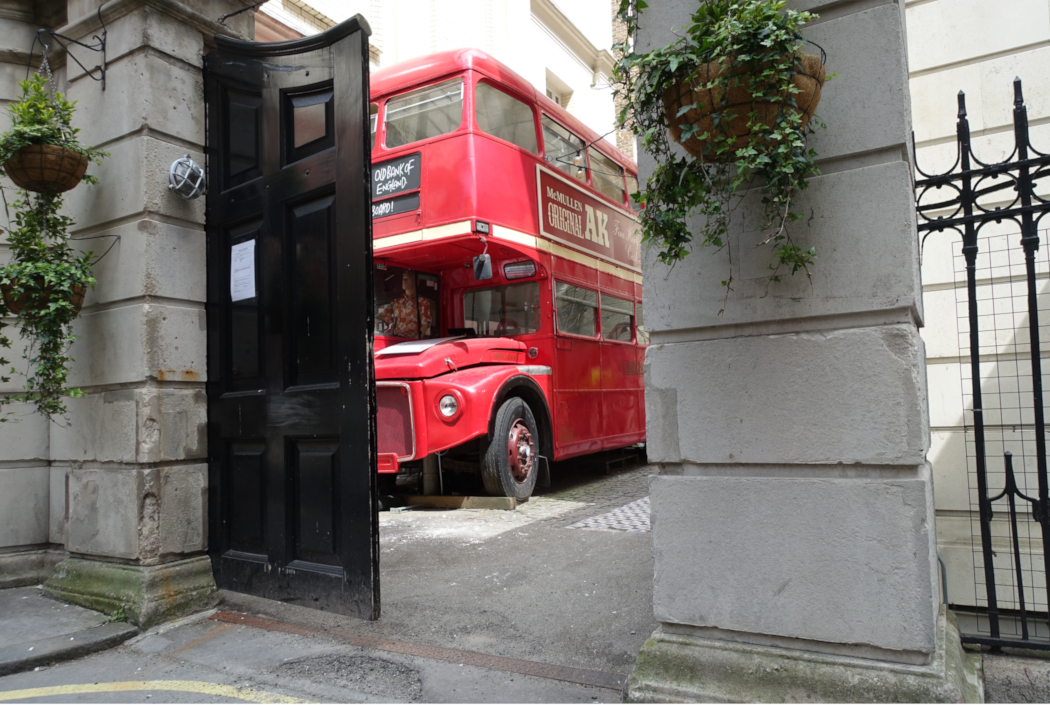
 A former bank building, now a pub. An old double-decker bus stands in the courtyard. It can be reserved if a group wants to throw a private party. But the gate is very narrow. How did that bus get in there? It turns out it was lifted into place by a crane over the heads of the rather tall buildings surrounding it.
 Temple
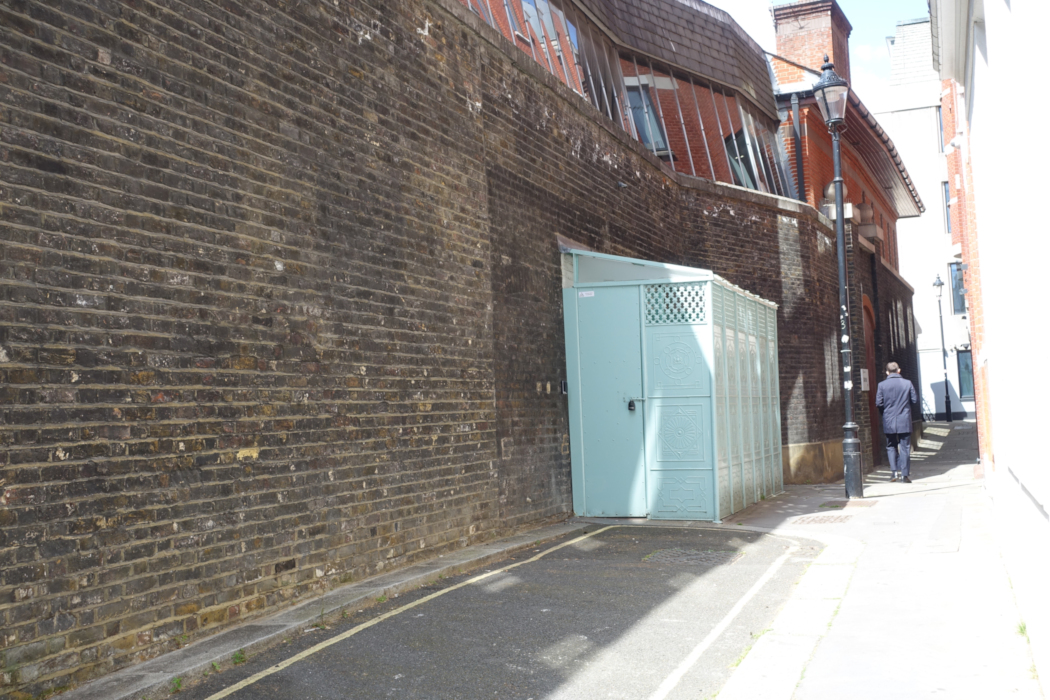
 Some strange structure. Right now, the janitors keep their cleaning supplies here. But it used to be a restroom, so that gentlemen heading home from the tavern wouldn't soil the walls of the houses.
 Charing Cross
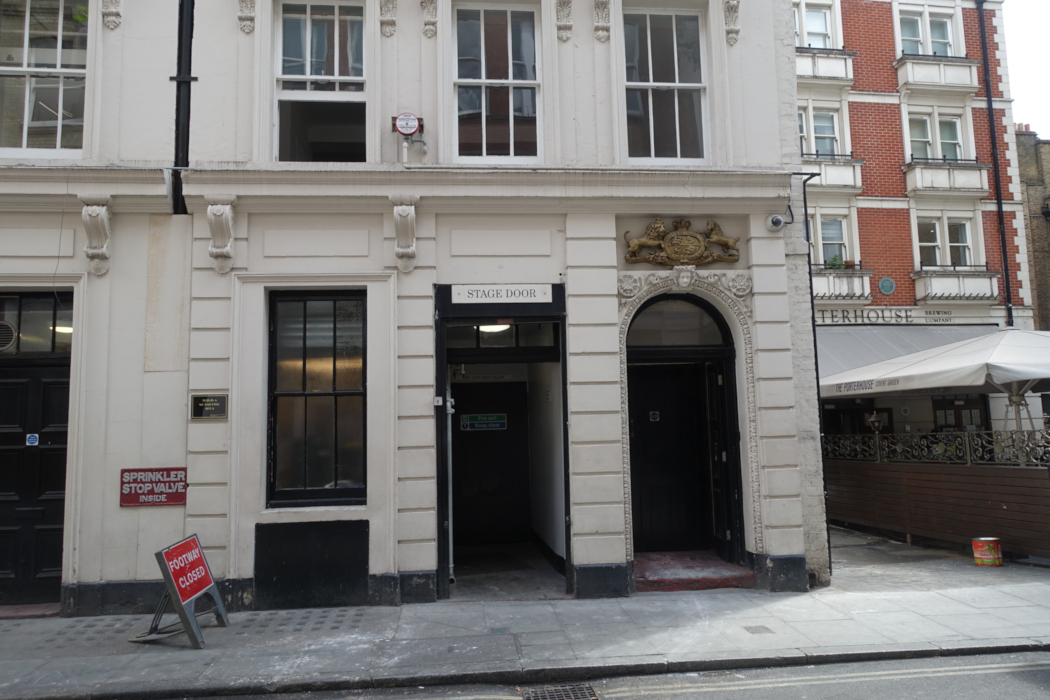
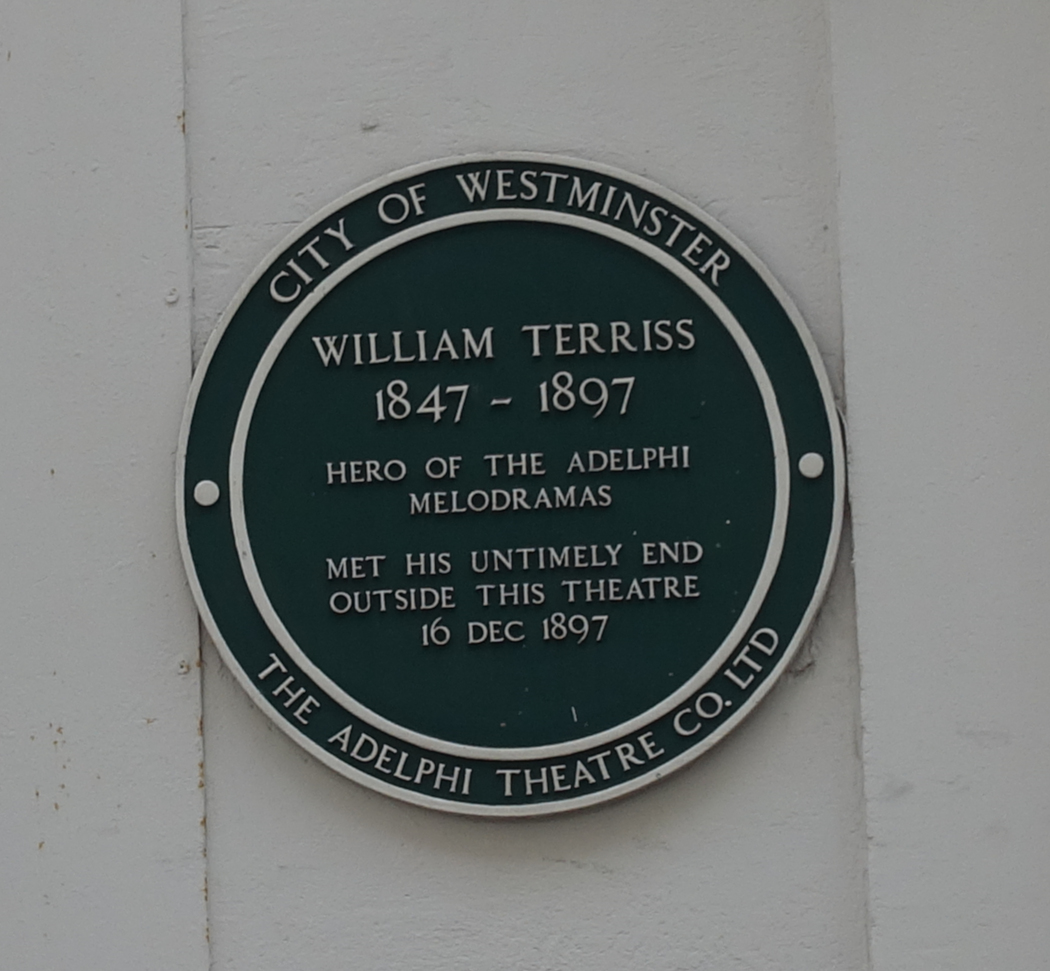
 One of the oldest and most important streets in central London is the Strand. The name is supposed to mean “waterfront,” although you can’t actually see the Thames from there today. The street is simply called the Strand; no additional words such as “street,” “road,” or “avenue” are ever added to it. It was the first street in London where house numbering was introduced. There are also several theaters on this street. One of the most important is the Adephi. The theater building is long, with one end extending into the side street, Maiden Lane. That’s where the actors’ entrance is located. William Terriss was once an incredibly popular actor at this theater. And it was right near the staff’s back entrance (slightly to the left) that his colleague Richard Archer Prince, driven mad by jealousy, waited for him and stabbed him. The star actor died right there in the arms of a female colleague. I’ve included a photo of that back entrance here. The theater’s facade on the main street is, by the way, quite modest, which is why I didn’t include a picture of it.
By the way, as already mentioned, this side street is Maiden Lane. But don’t assume that the name refers to a young woman. Like many old names in London, the spelling and meaning have changed over time. The name comes from the word “midden,” meaning a manure heap. It used to be a place where the “output” of the coachmen’s horses, collected from the streets, was temporarily stored.
There’s no way to verify this now, but according to the actress in whose arms Terriss died, his last words were: “I’ll be back.”
 Kew Gardens
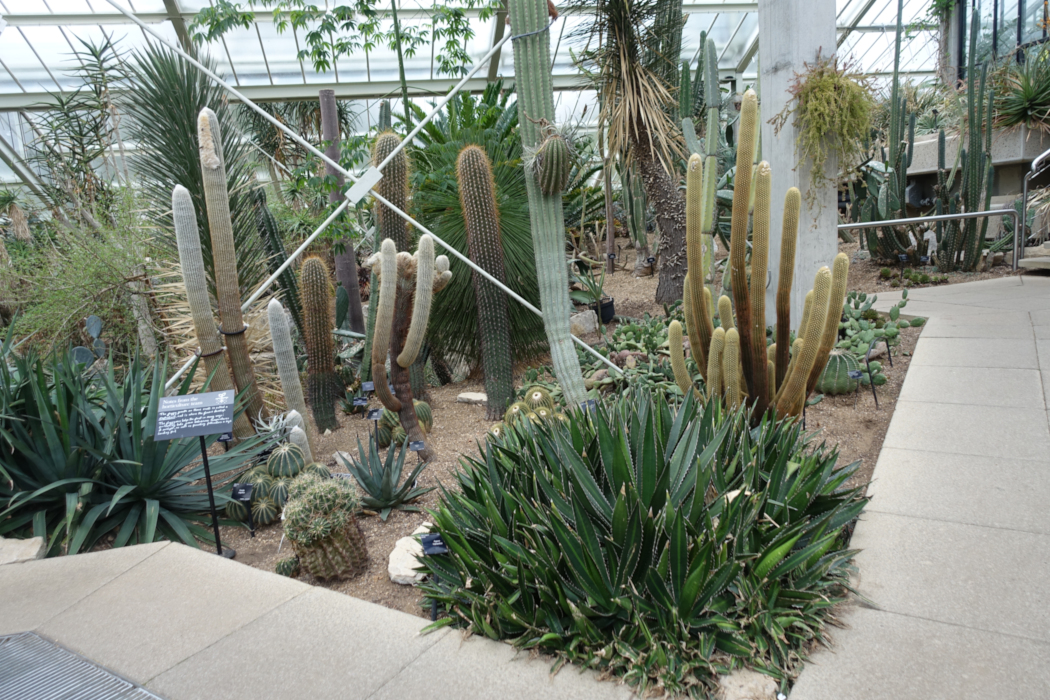
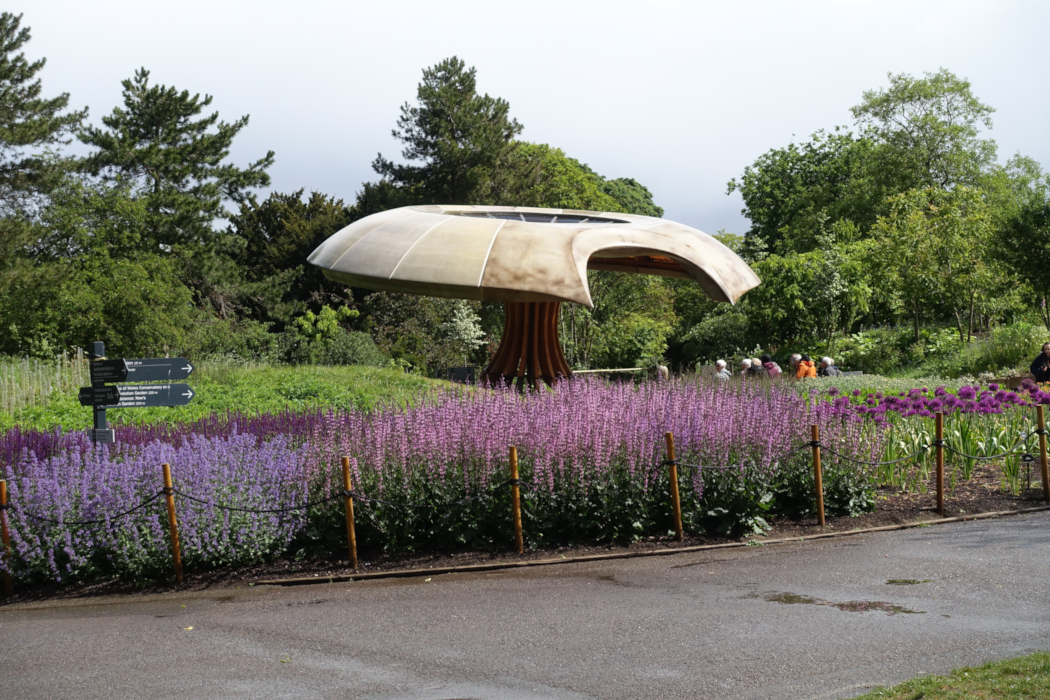
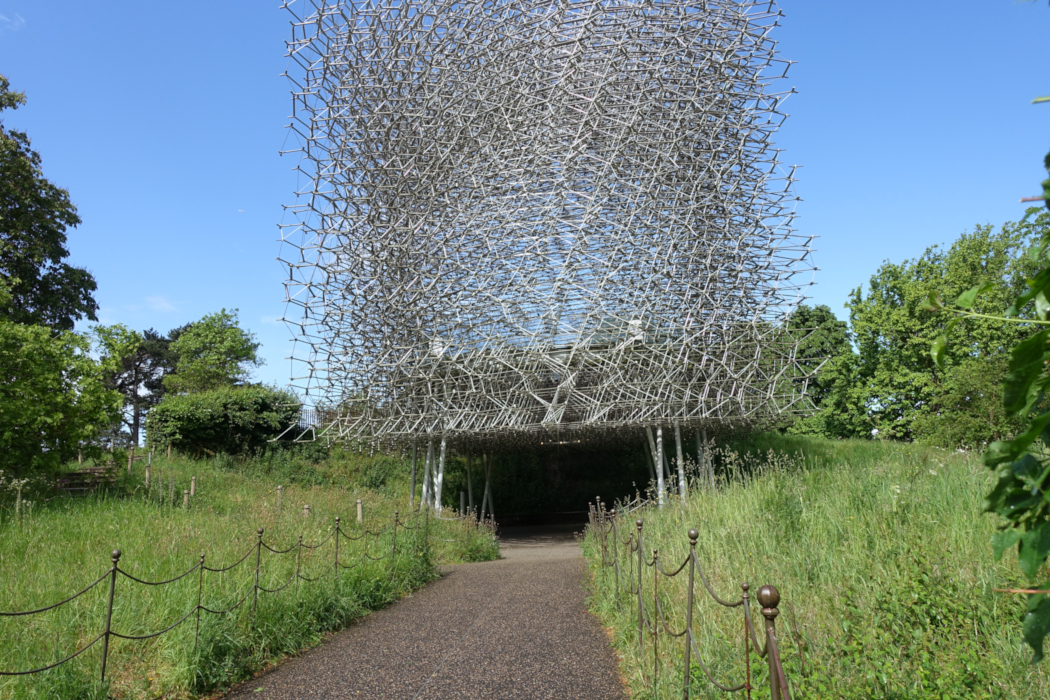
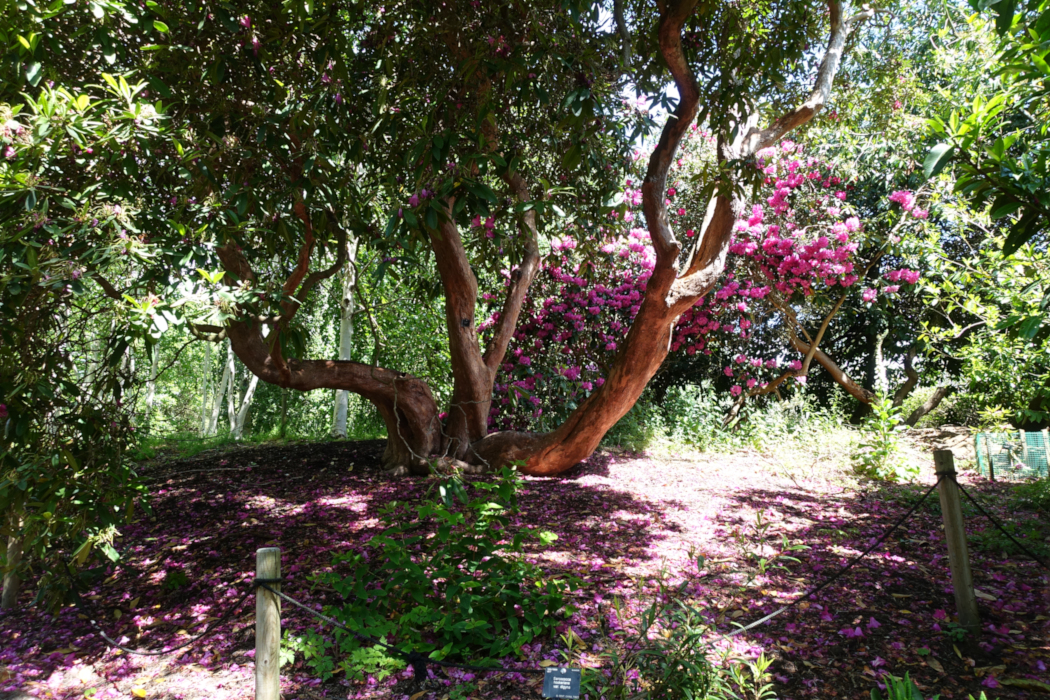
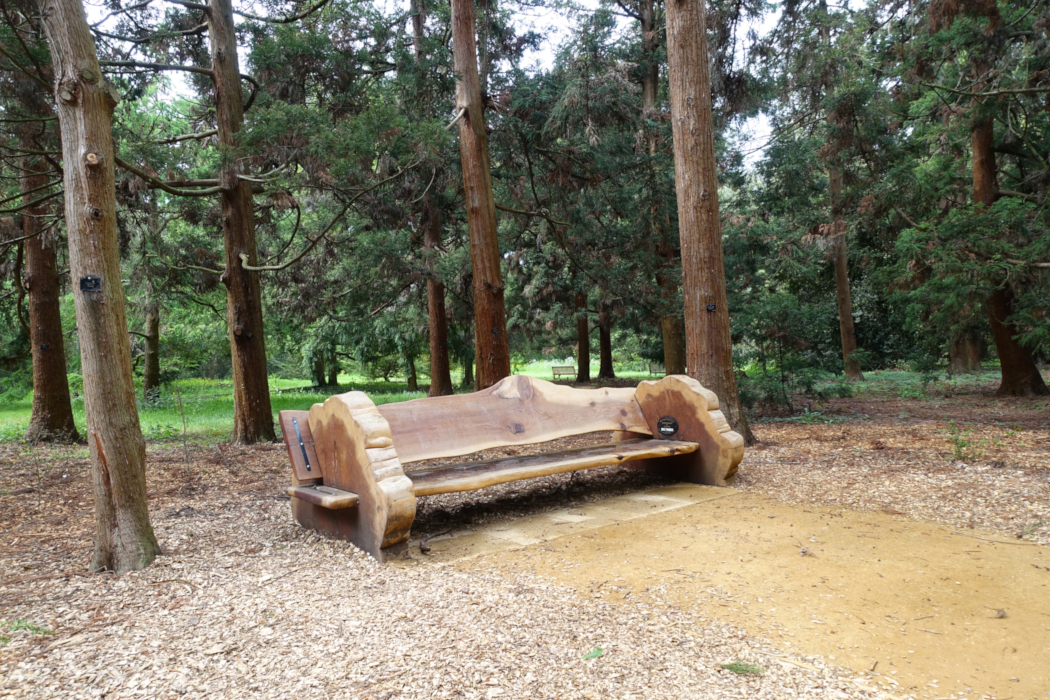
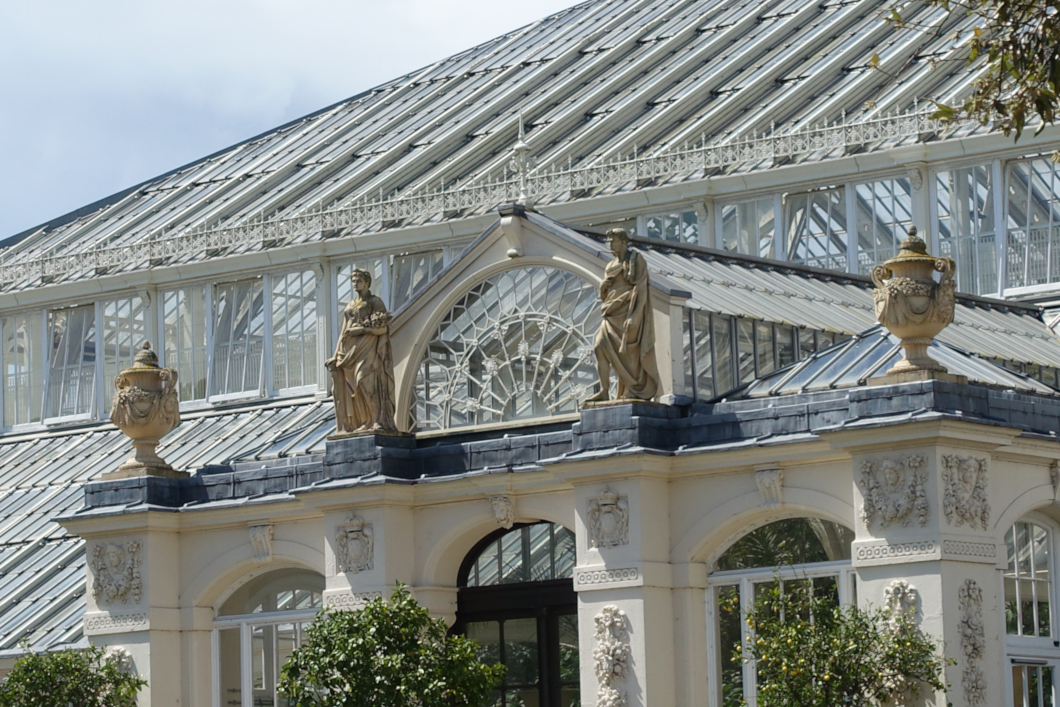
 The London Botanical Garden is called Kew Gardens. The botanical garden covers an area of 132 hectares and is home to approximately 30,000 plant species. Set aside at least three or four hours to see the main attractions.
As you can see from the photos, this botanical garden also features many objects that don’t actually belong to the plant kingdom. Still, it’s definitely an interesting place to stroll around.
 Kew Gardens
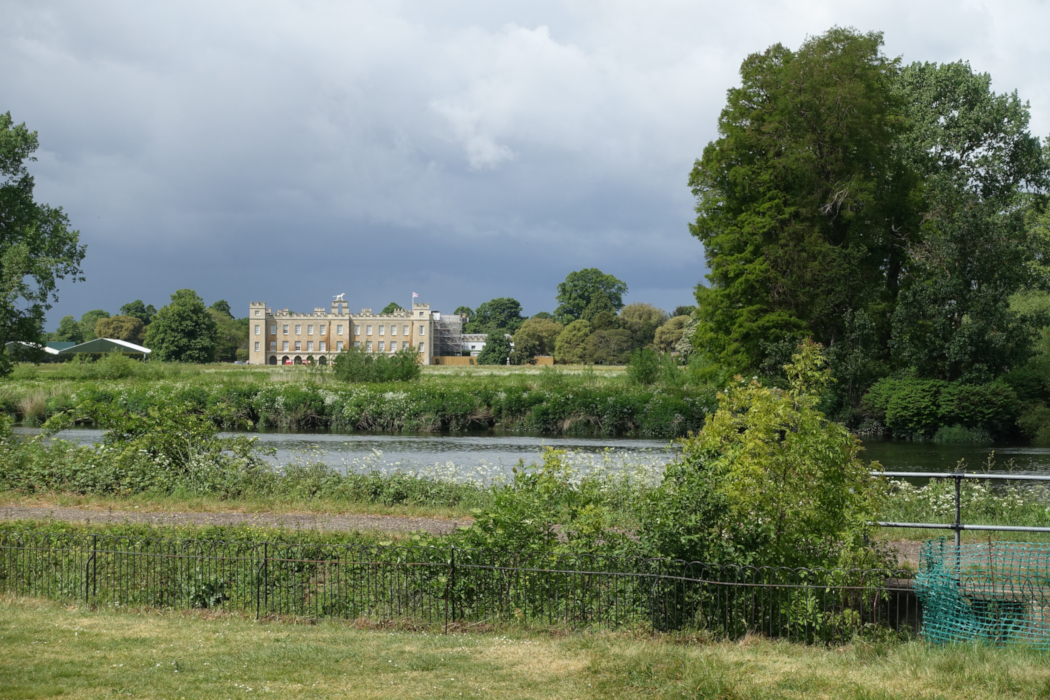
 A view from Kew Gardens across the Thames toward Syon House. At one time, there was a nunnery on this site. As is well known, King Henry VIII dissolved all the monasteries, and a man with many titles (Edward Seymour, 1st Duke of Somerset, 1st Earl of Hertford, 1st Viscount Beauchamp) built this house in the Italian style. Henry VIII’s fifth wife, Catherine Howard, was imprisoned in this house for adultery until she was taken to the Tower to be executed.
Legend has it that there was an underground passage leading far, far away—namely, to a monastery located upstream on the river. But this is probably just a nice legend. Especially considering the river’s proximity, building such a tunnel with medieval technology would have been impossible. But if you want to believe it, go ahead.
 Kew Gardens
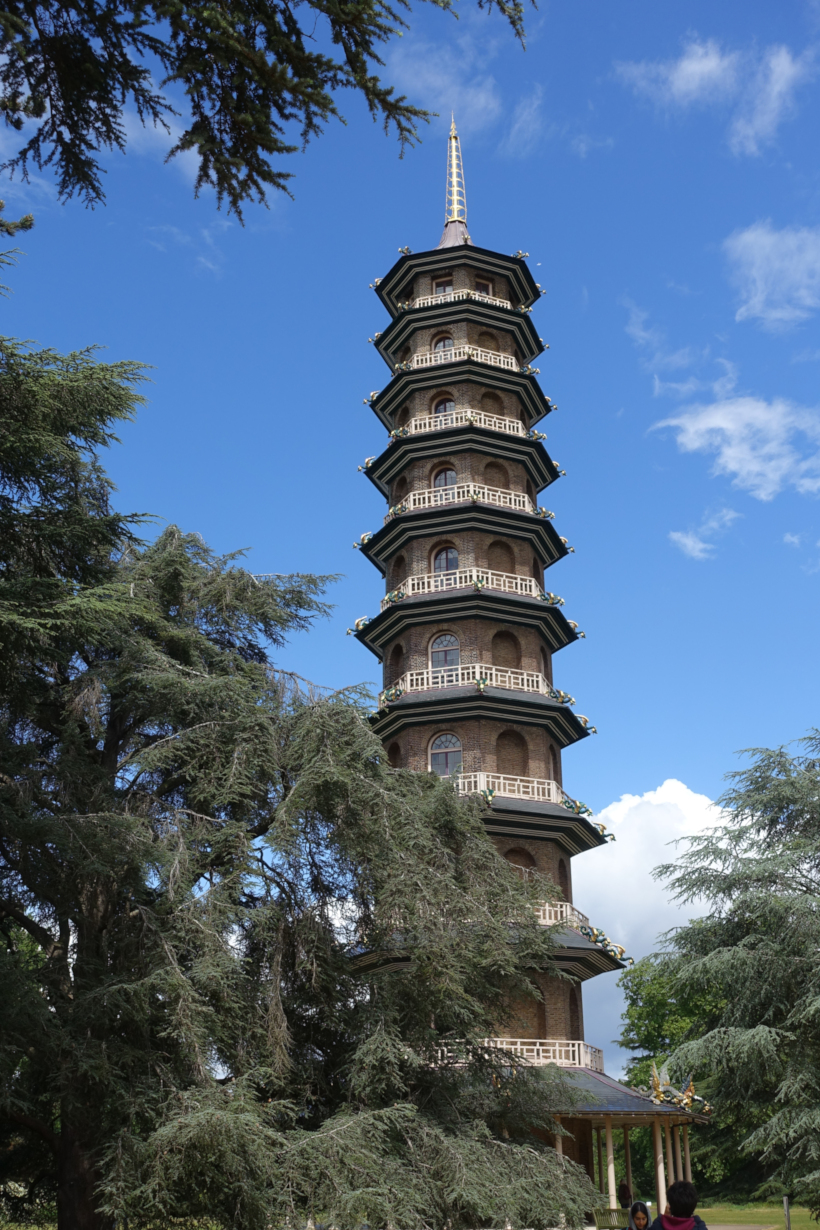
 A rather impressive pagoda in Kew Gardens. 1761–1762. In fact, this pagoda breaks the rule that Oriental pagodas must have an odd number of stories. Here, there are ten.
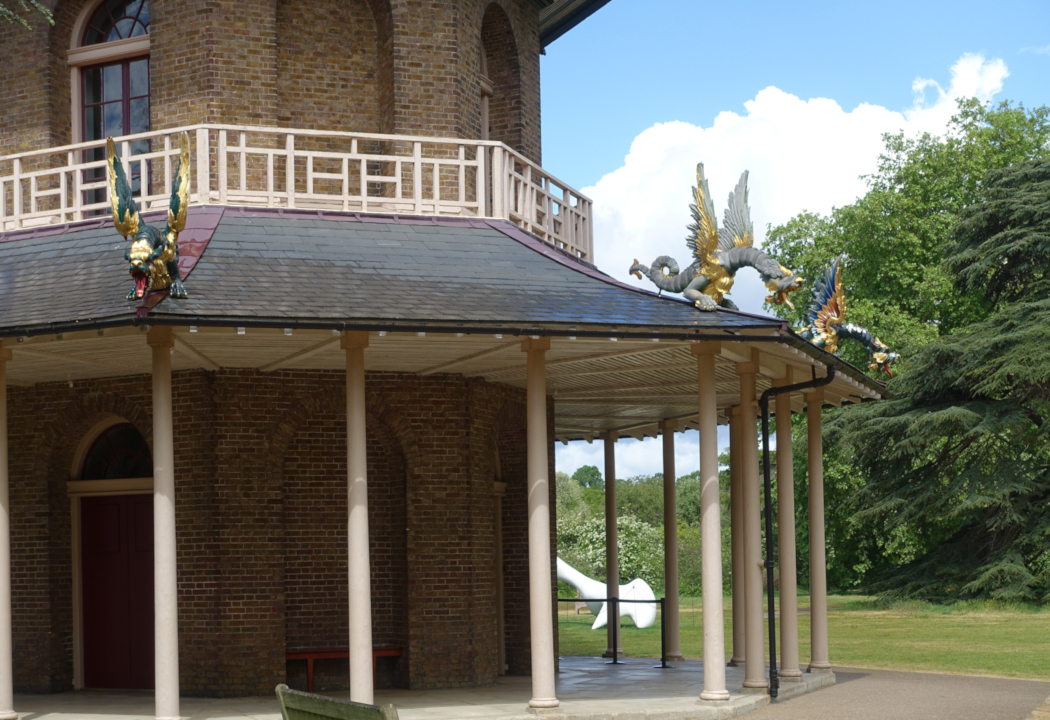
The pagoda is adorned with 80 golden dragons. The dragons that were originally installed disappeared in 1784—perhaps they flew back to the East. The new dragons were installed in 2018 as part of a major restoration project. The dragons on the lower levels are made of African cedar and adorned with gold. The remaining dragons on the upper floors are 3D-printed from plastic to reduce the load on the structures.
The dragons are painted in quite vibrant colors. If you look at the bottom picture, the middle dragon has been left as is to more closely resemble its original Eastern counterparts.
 Gloucester Road
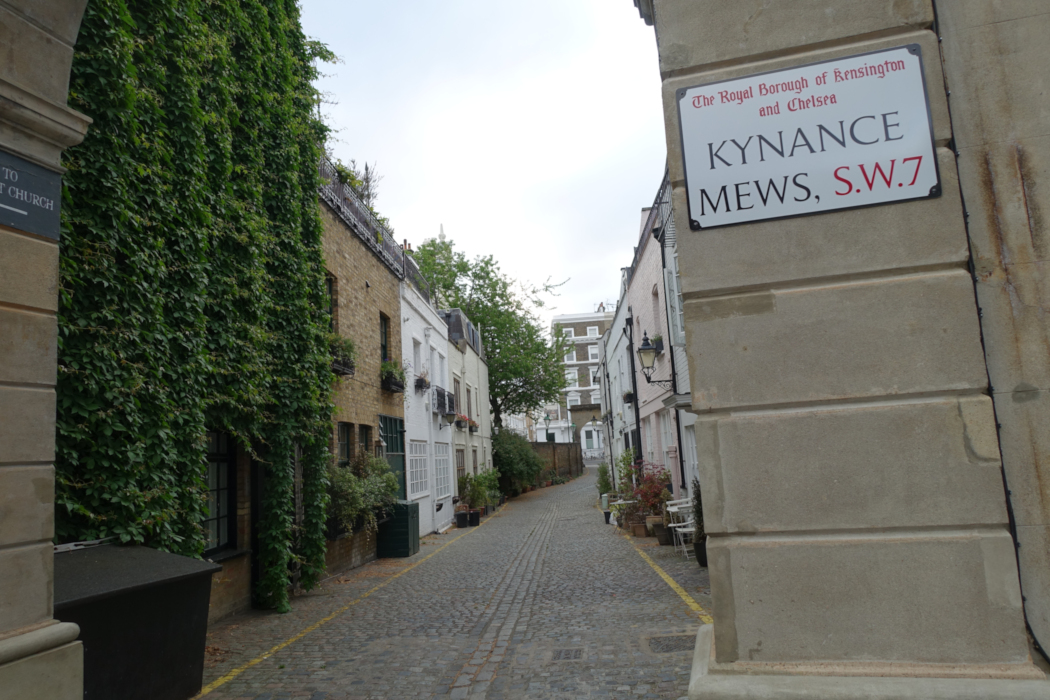
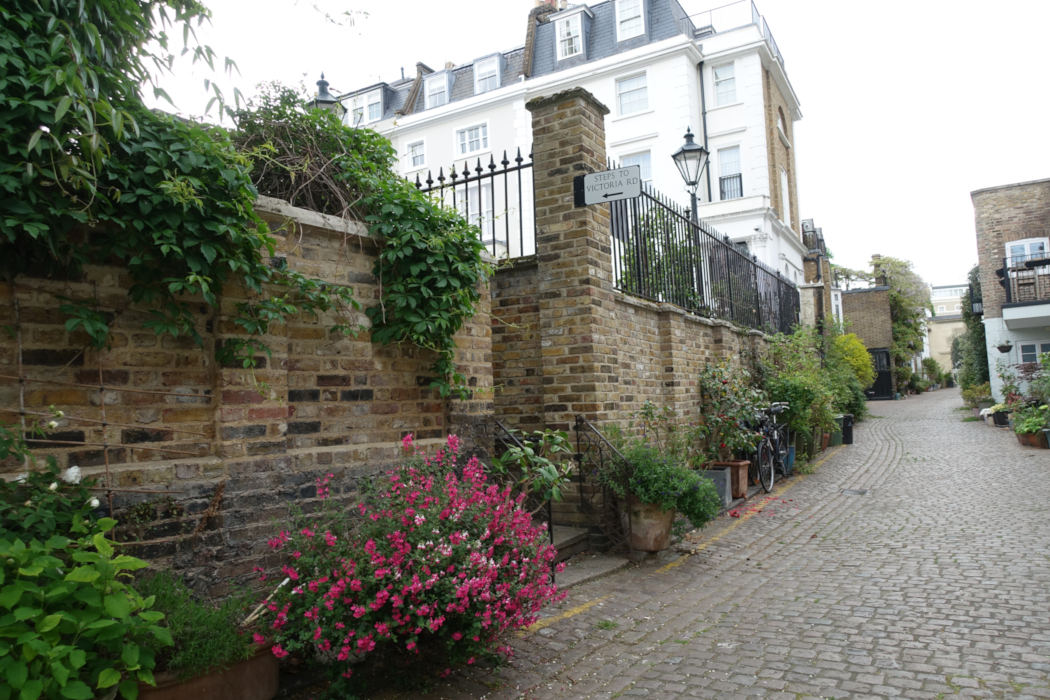
 A mews is a former service alley, usually a cul-de-sac. These days, servants no longer live here; instead, the area is sought after even by the more affluent for its unique atmosphere. What makes this place interesting is precisely the variety of levels.
 Holland Park
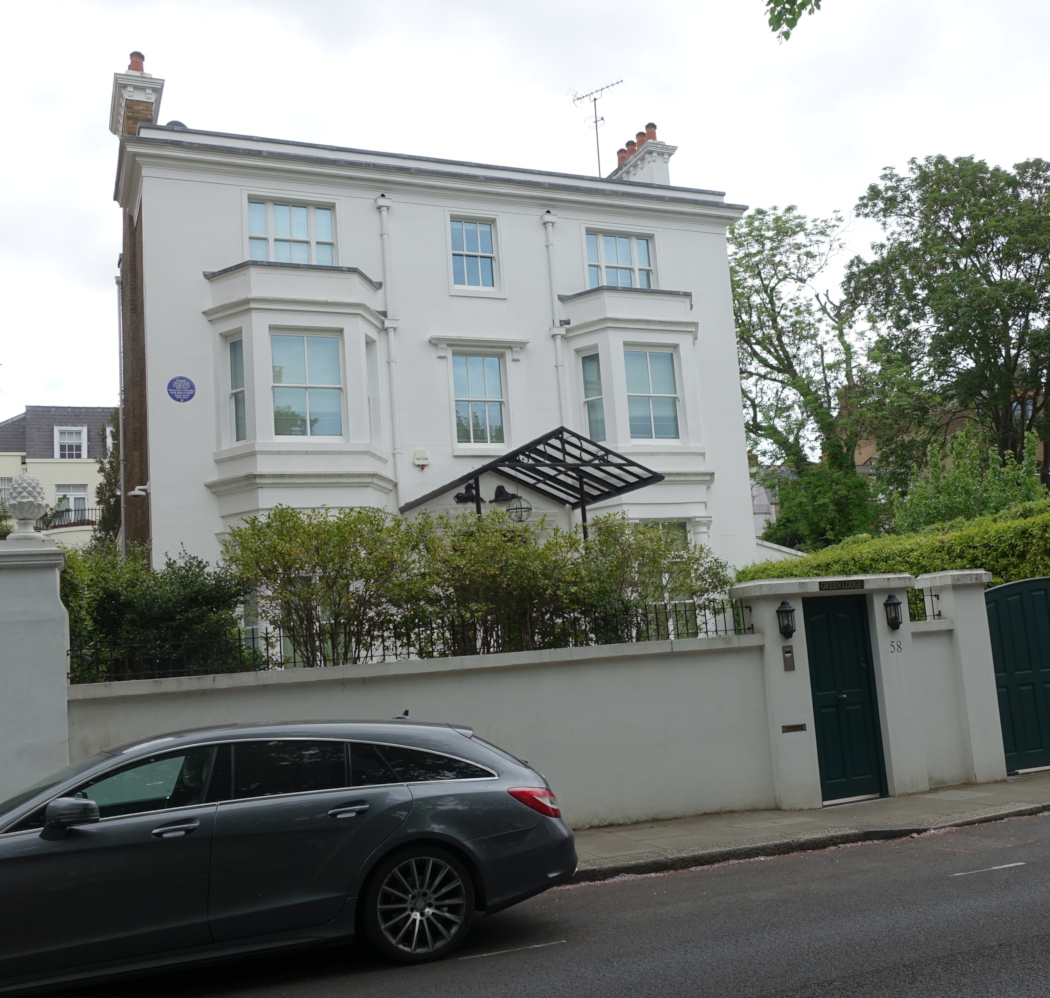
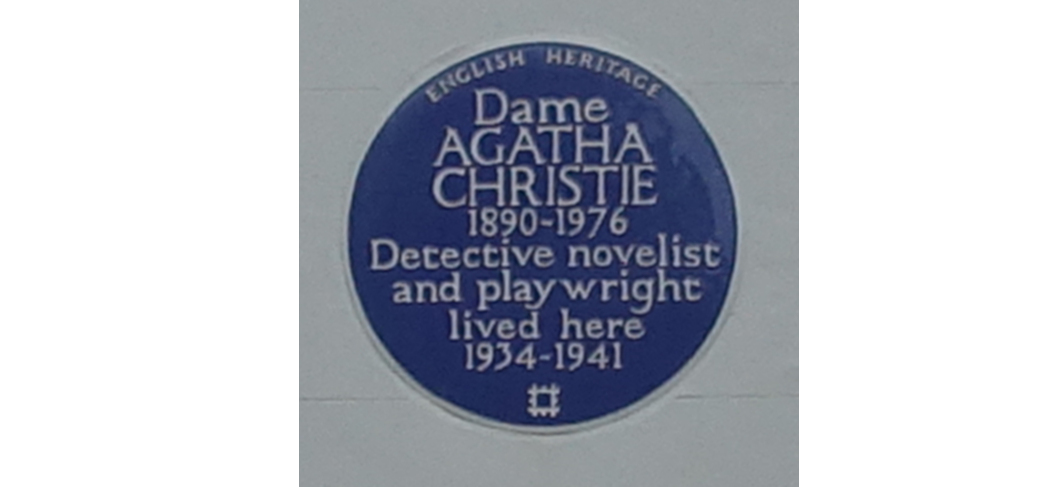
 The home of a well-to-do city dweller. The writer left this place and moved to an apartment building on the outskirts of town (see entry 217) because he feared bombing as the war had begun.
 Mansion House
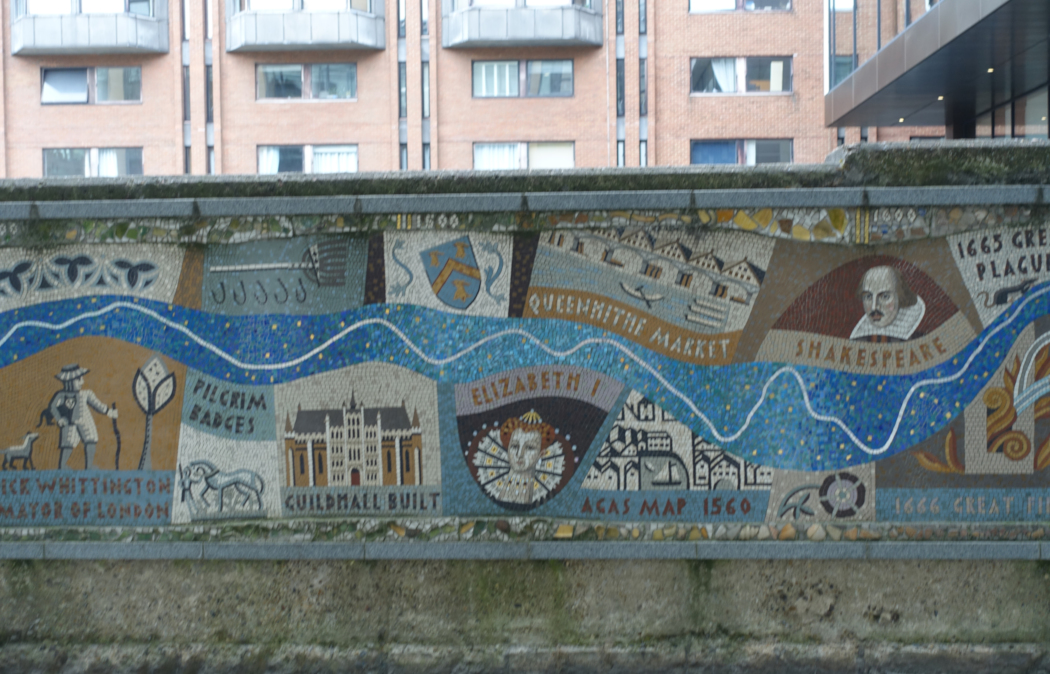
 A former landing site. The history of this place is depicted in a mosaic stretching several dozen meters along the wall. A great place for students to have a history lesson.
 Baker Street
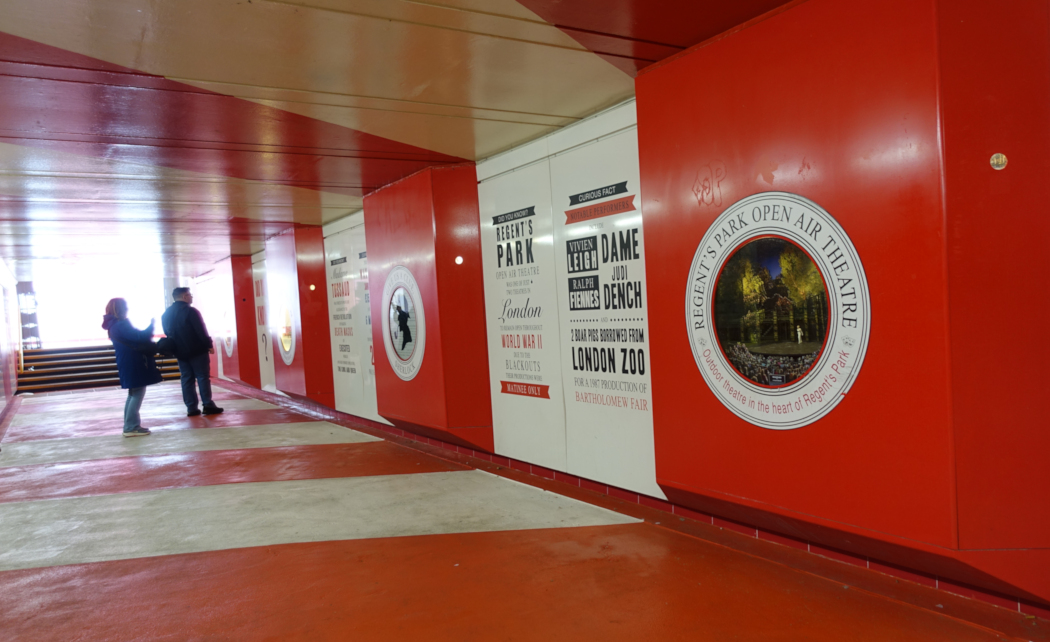
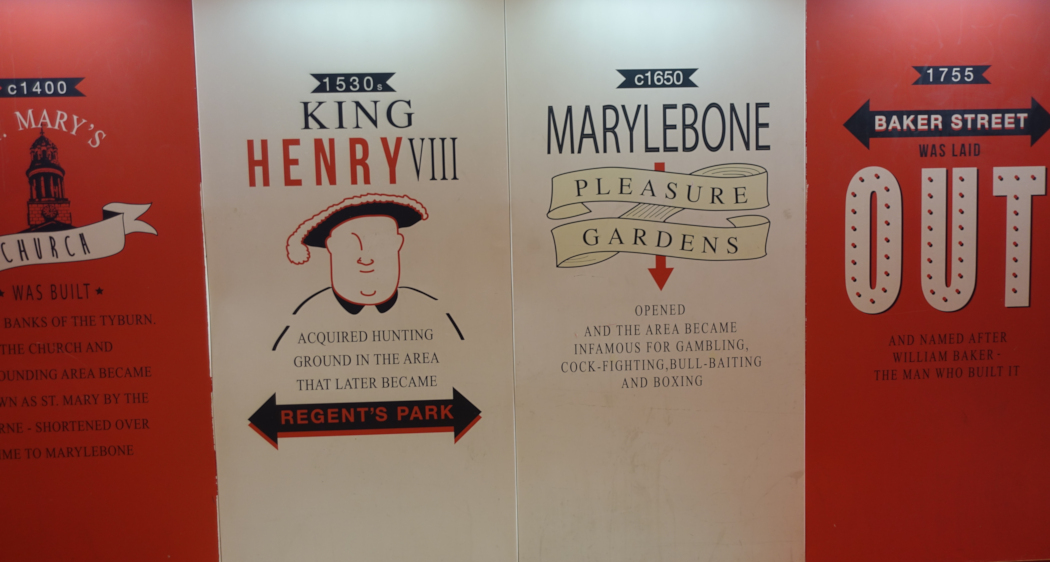
 Pedestrian tunnel. It seems that its purpose is to display information boards, since a tunnel isn't really necessary to cross this road.
 Piccadilly Circus
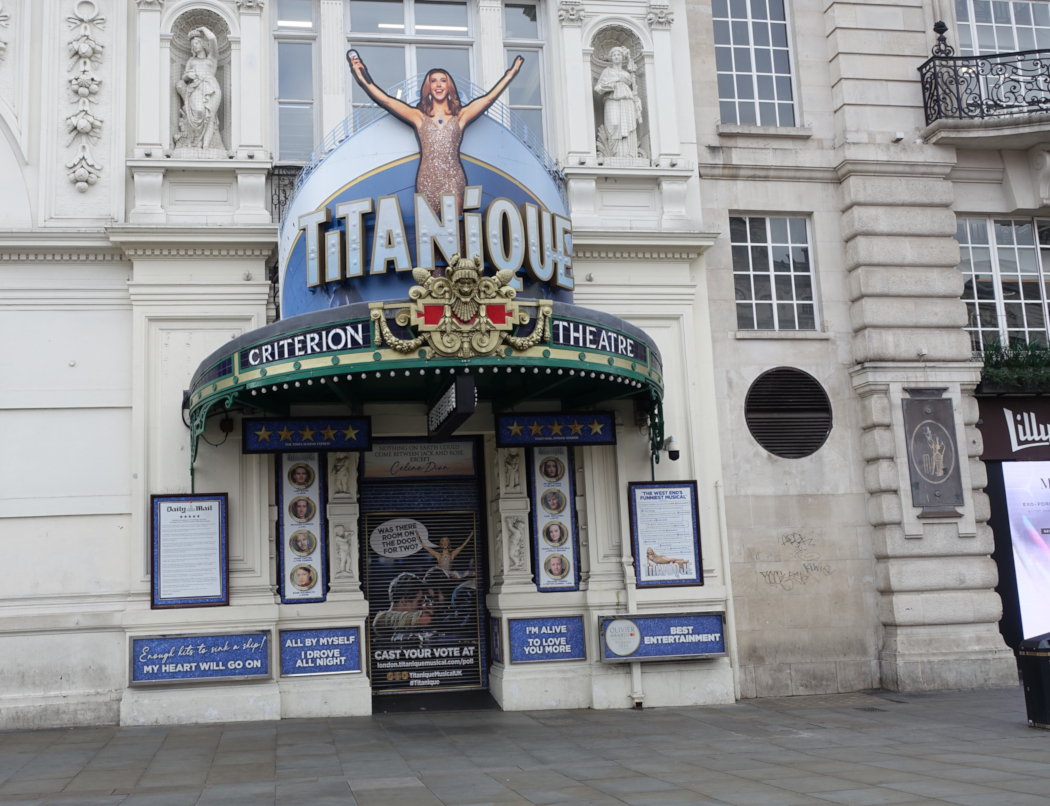
 Criterion Theater. The theater’s entrance and box office are above ground. The rest of the theater is underground. Built in 1870. They sure knew how to build back in the day, especially considering that the Thames is quite close by.
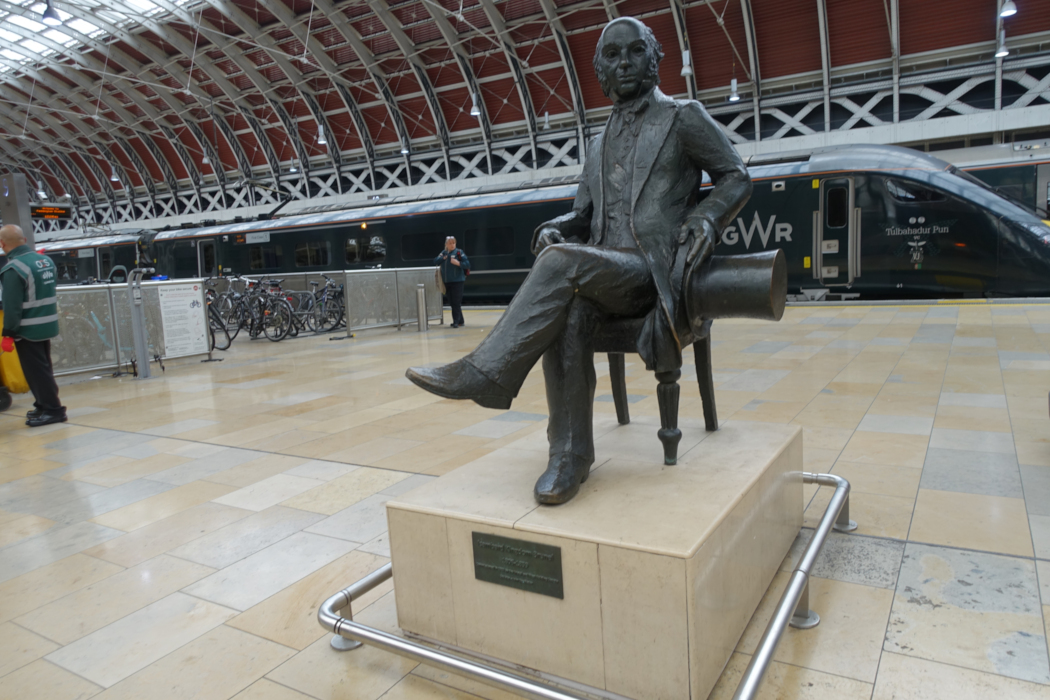
 Paddingyon Station
 A highly versatile engineer. When the BBC conducted a public poll in 2002 to determine the “100 Greatest Britons,” he came in second, behind Winston Churchill. He was the son of another famous engineer, Sir Marc Isambard Brunel. He worked on some projects with his father, but his independent work has also left a significant mark. He designed tunnels, railroads, bridges, ships, buildings... When walking around London, it’s impossible not to see at least one of his creations.
 Tower Hill
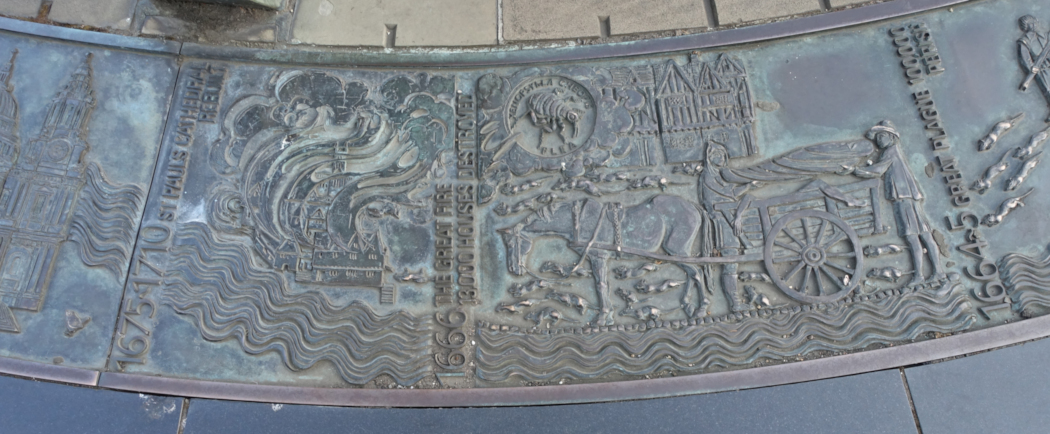
 Right on the hill above the entrance to the underground station stands a gigantic sundial. The ring surrounding it features bas-reliefs depicting the country’s often tragic history—wars, fires, and epidemics. But if you look very closely at the images, you can spot Margaret Thatcher, very small, among the other disasters. .